 Business License

Why Have You Been “Over-Procuring” All Along? Three Inertia Traps in Harmonic Gearbox Sizing
Why Have You Been “Over-Procuring” All Along? Three Inertia Traps in Harmonic Gearbox Sizing
“The last machine used this model. Let's use it again.” Sounds perfectly reasonable, doesn't it? But you may not realize that this “rule of thumb” sizing is making you pay for performance you don't need.
The harmonic gearbox industry evolves quickly. New materials, new processes, new designs emerge constantly. The “gold standard” model from five years ago may have a better cost-performance today. But inertial thinking keeps many engineers and procurement professionals in their “comfort zone.”
Three inertia traps:
Trap One: “Bigger Model Means Safer”
Many habitually go one size up. But harmonic gearbox size and weight significantly impact robot design. One size larger means a heavier arm, a bigger motor, higher energy consumption. The price you pay for “peace of mind” may be far higher than you think.
Trap Two: “Imported Must Be Better Than Domestic”
Five years ago, this might have held true. Today, top domestic brands’ harmonic gearboxes reached or even match imported brands in precision, life, and reliability—at 60-70% of the price. Sticking with imports may just mean paying for brand premium.
Trap Three: “Higher Specs Are Always Better”
Improving precision from 30 arc-seconds to 20 arc-seconds might double the price. But if your application only needs 30 arc-seconds, the extra money buys “psychological comfort”—not actual value.
Real Customer Challenge: “We make SCARA robots and always used a certain imported brand’s 17-series harmonic gearboxes. Last year, cost pressure mounted, so we tried a domestic replacement. After three months of testing, precision and life data were almost the same as the imported unit—at 40% lower price. We realized we’d been paying for ‘brand faith’ for five years.”
Three actions to break inertia:
Do an annual sizing review: Re-examine your duty cycle requirements and compare against new products on the market.
Build a “competitor test pool”: Every six months, buy 1-2 samples from emerging brands and run comparative tests on your test bench.
Focus on cost-performance, not brand: Develop a sizing matrix based on “output torque/accuracy life per unit cost.”
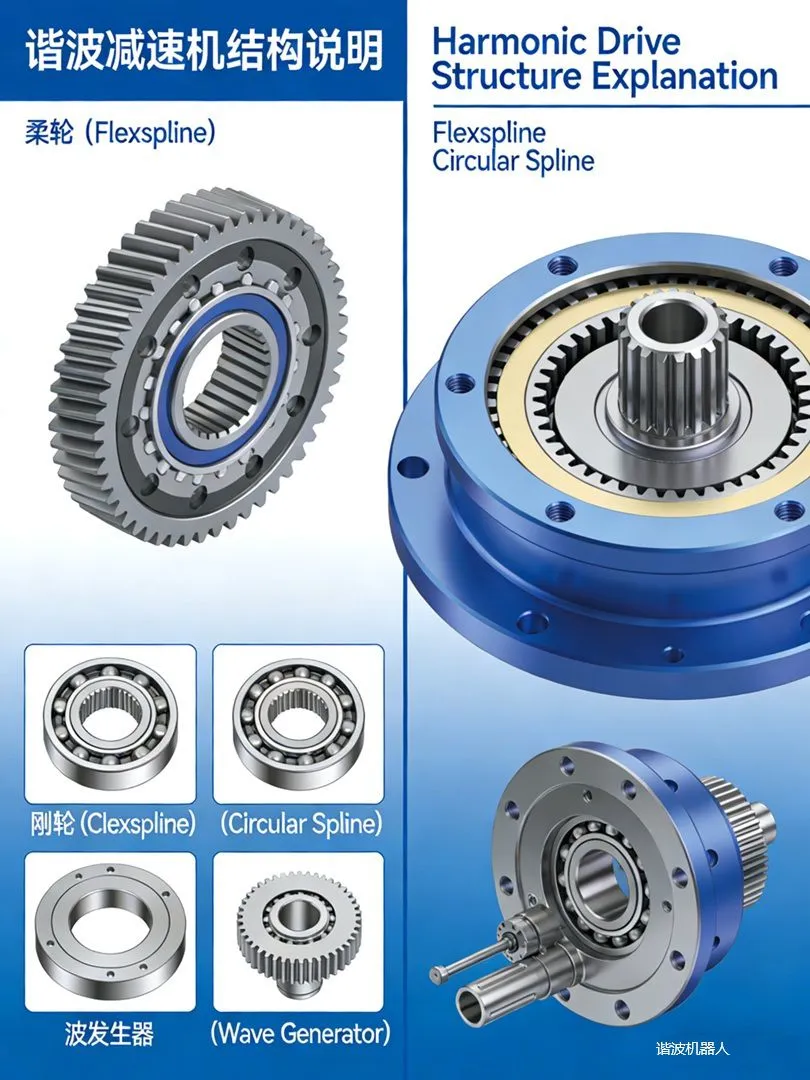
Has your sizing logic also been held hostage by “experience”? Follow us and reply “SizingReview” for our Annual Harmonic Gearbox Sizing Self-Checklist. If you want a cost-reduction assessment of your current sizing solution, our application engineers can provide a free replaced comparison analysis
#HarmonicGearboxSizing #InertiaThinking #LocalAlternatives #CostOptimization #SizingReview #ValueEngineering #EngineerMindset
Recently Posted
-
How to Fix Motor Burnout, Voltage Instability & Short Endurance in Agricultural Irrigation?
April 15, 2026How to Fix Motor Burnout, Voltage Instability & Short Endurance in Agricultural Irrigation?Agricultural irrigation (water pump Read More
 -
How to Fix Vibration, Startup Burnout & Misalignment with Gear Motors in Logistics?
April 15, 2026How to Fix Vibration, Startup Burnout & Misalignment with Gear Motors in Logistics?Smart warehouses, AGVs, sorting lines, and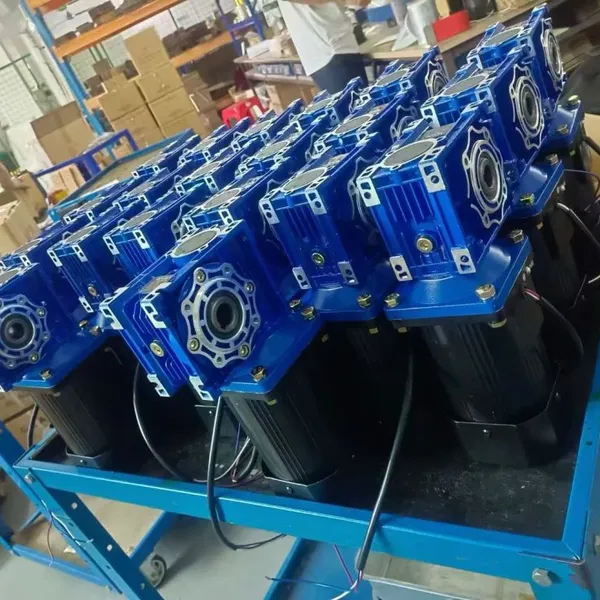 Read More
 -
How to Achieve Safety & Precision with Harmonic Reducers in Medical Surgical Robots?
April 9, 2026How to Achieve Safety & Precision with Harmonic Reducers in Medical Surgical Robots?Surgical robots (minimally invasive, ortho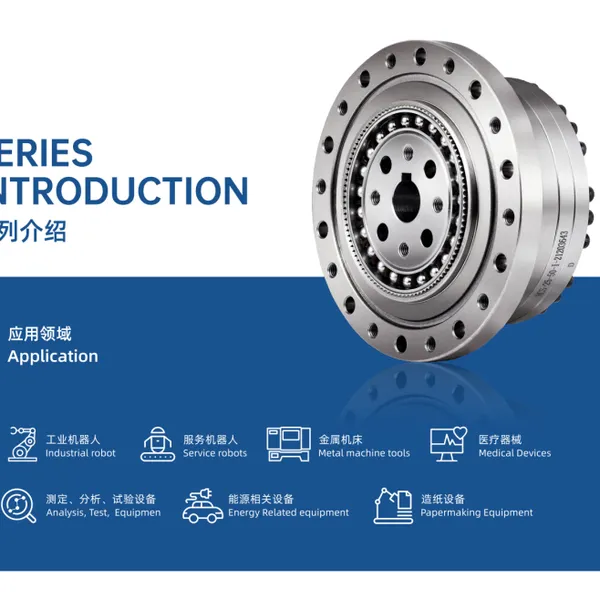 Read More
 -
Why Harmonic Reducers Solve Semiconductor Positioning Errors & Vibration?
April 9, 2026Why Harmonic Reducers Solve Semiconductor Positioning Errors & Vibration?Semiconductor manufacturing is the world's most p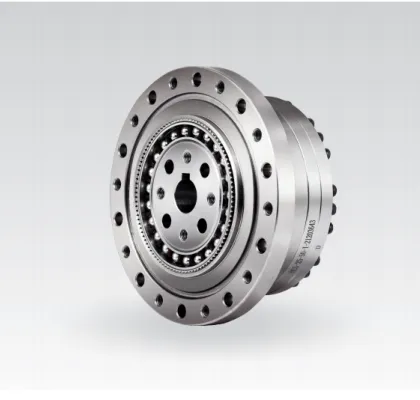 Read More

Contact Us
Recommended Products
-
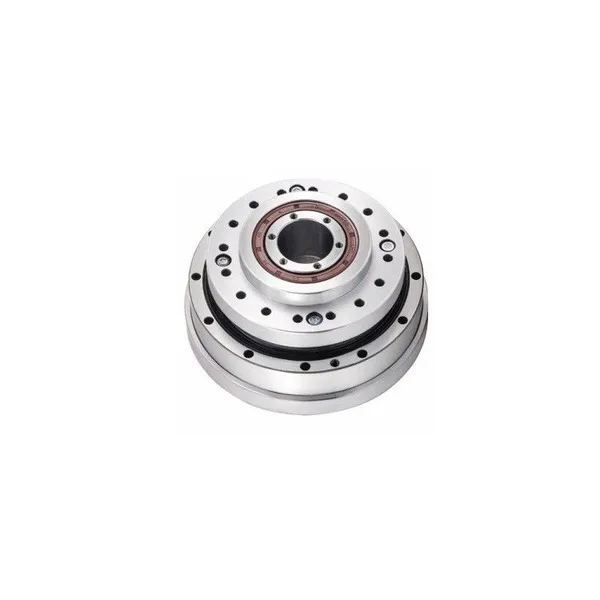
 UH KEONE Hollow Harmonic Reducer for Robot Joint 137-294N·m, Low Backlash ≤30arcminNegotiableMOQ: 200 Pieces
 -
UH KEONE Hollow Harmonic Reducer 137-294N·m, Ratio 50-120, Low Noise ≤60dB for AutomationNegotiableMOQ: 200 Pieces
-
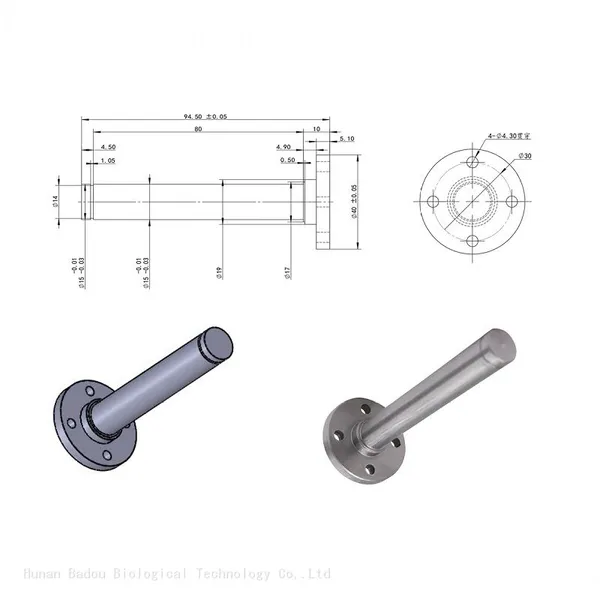
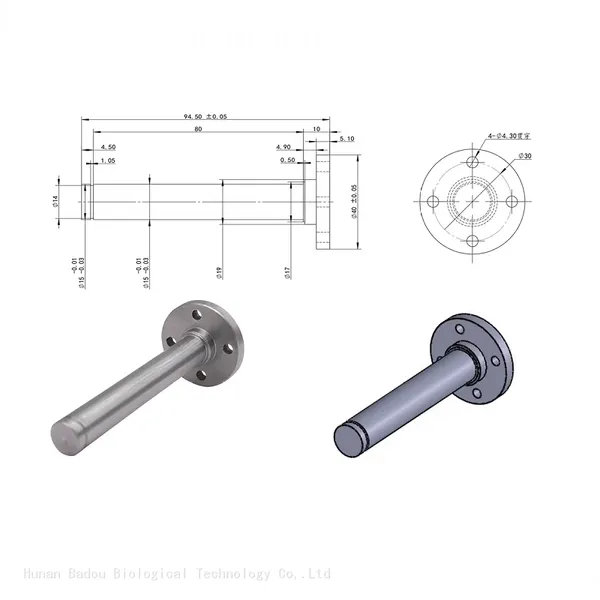
CNC Machining Flange Shaft High-Precision Custom by CAD/STEP Mechanical Transmission ShaftNegotiableMOQ: 100 Pieces
-
CNC Machining Flange Shaft High-Precision Custom by CAD/STEP Mechanical Transmission ShaftNegotiableMOQ: 100 Pieces
-
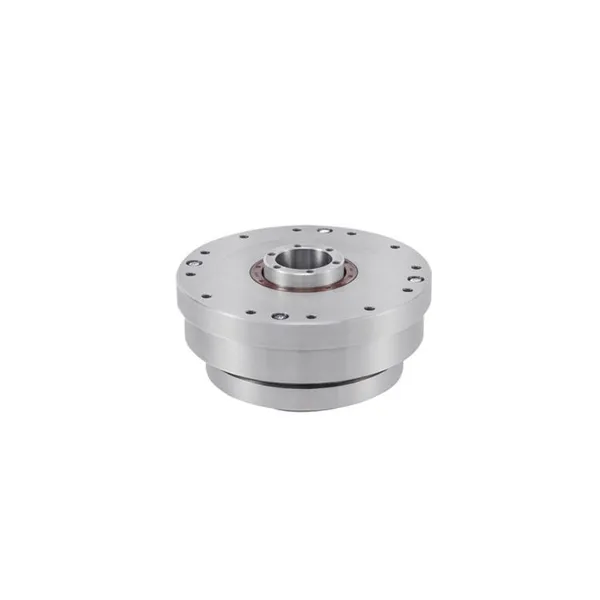
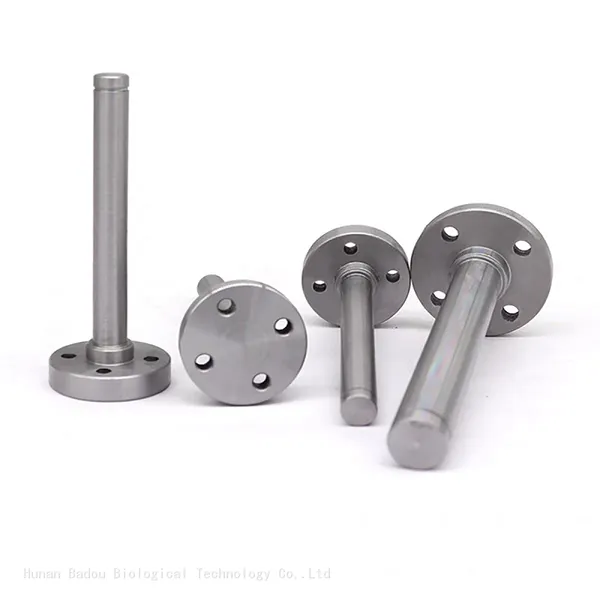
CNC Machining Shaft High-Precision Custom by CAD/STEP Mechanical Transmission ShaftNegotiableMOQ: 100 Pieces
-
CNC Machining Locating Shaft High-Precision Custom by CAD/STEP Mechanical Transmission ShaftNegotiableMOQ: 100 Pieces
-
CNC Machining 8 Inch DN200 Flange Custom by Drawing(CAD/STEP)NegotiableMOQ: 100 Pieces
-
CNC Machining 4 Inch DN100 Flange Custom by Drawing(CAD/STEP)NegotiableMOQ: 100 Pieces
-
CNC Machined 6 Inch DN150 Flange Custom by Drawing(CAD/STEP)NegotiableMOQ: 100 Pieces
-
CNC Machined 6 Inch DN150 Flange Custom by Drawing(CAD/STEP)NegotiableMOQ: 100 Pieces