 Business License

Parallel Shaft Gear Reducers in the Food Processing Industry: Solving Procurement Problems of Hygien
Parallel Shaft Gear Reducers in the Food Processing Industry: Solving Procurement Problems of Hygiene Compliance and Stable Transmission
As a procurement manager for food processing equipment, you are likely troubled by these issues: Food production lines (such as fruit and vegetable sorting, beverage filling, and bread forming equipment) have extremely high hygiene requirements. The reducers you purchase either have poor sealing performance, which easily causes lubricating oil leakage to contaminate food, leading to the risk of unqualified inspections and product recalls; or they operate unsteadily, resulting in uneven material conveying and insufficient filling accuracy, which affects product qualification rates. What’s more frustrating is that some reducers have complex structures and are not easy to clean, failing to meet the hygiene standards of the food industry. In addition, frequent failures and shutdowns for maintenance not only delay production but also may require thorough cleaning of the production line due to equipment contamination, increasing additional costs.
The core transmission needs of the food processing industry are "hygiene compliance, stable transmission, easy cleaning, and no leakage". With its simple structure and customizable hygiene design, the parallel shaft gear reducer has become the preferred transmission equipment for this industry. Different from reducers with other complex structures, the parallel shaft gear reducer has a simple structure and good sealing performance. It can be customized with a full stainless steel shell and food-grade seals, which can effectively prevent lubricating oil leakage and food contamination. At the same time, it operates stably with low noise, perfectly adapting to the continuous and stable operation needs of food production lines, ensuring the accuracy of filling, sorting, and forming, and improving product qualification rates.
For us procurement managers, the primary consideration when selecting models is "hygiene compliance". The food industry has strict quality inspections. Once a reducer fails to meet hygiene standards, it will not only lead to product recalls but also damage the company’s reputation and even face fines. Secondly, stability and easy cleaning are also crucial. Most food production lines operate continuously 24 hours a day, and the stability of the reducer directly determines production efficiency. The easy-to-clean design can reduce cleaning time and labor costs. Many peers have learned lessons: in order to save initial procurement costs, they chose ordinary reducers, but ultimately suffered losses far exceeding the initially saved costs due to leakage problems leading to product recalls.
We have cooperated with a medium-sized food processing enterprise. Its procurement manager once admitted that the ordinary gear reducers purchased earlier, when used in the beverage filling line, frequently had lubricating oil leakage problems, resulting in 3 batches of beverages being contaminated and having to be fully recalled, with a direct loss of more than 180,000 yuan. Moreover, the equipment was not easy to clean, and each maintenance required 1 day to clean the production line, delaying production progress. Later, they replaced it with a parallel shaft gear reducer suitable for the food industry, which adopted a full stainless steel shell and food-grade seals, with no leakage problems at all. The equipment was easy to clean, and production could be resumed within 1 hour after maintenance. The product qualification rate increased to 99.8%, saving more than 300,000 yuan annually in recall and labor costs.
When purchasing parallel shaft gear reducers for food processing, it is recommended to focus on three key points: first, hygiene standards. Prioritize products with full stainless steel shells and food-grade seals that meet the hygiene specifications of the food industry; second, sealing performance. Ensure no lubricating oil leakage to avoid food contamination; third, easy cleaning. Choose products with simple structures and no hygiene dead corners to reduce cleaning costs.
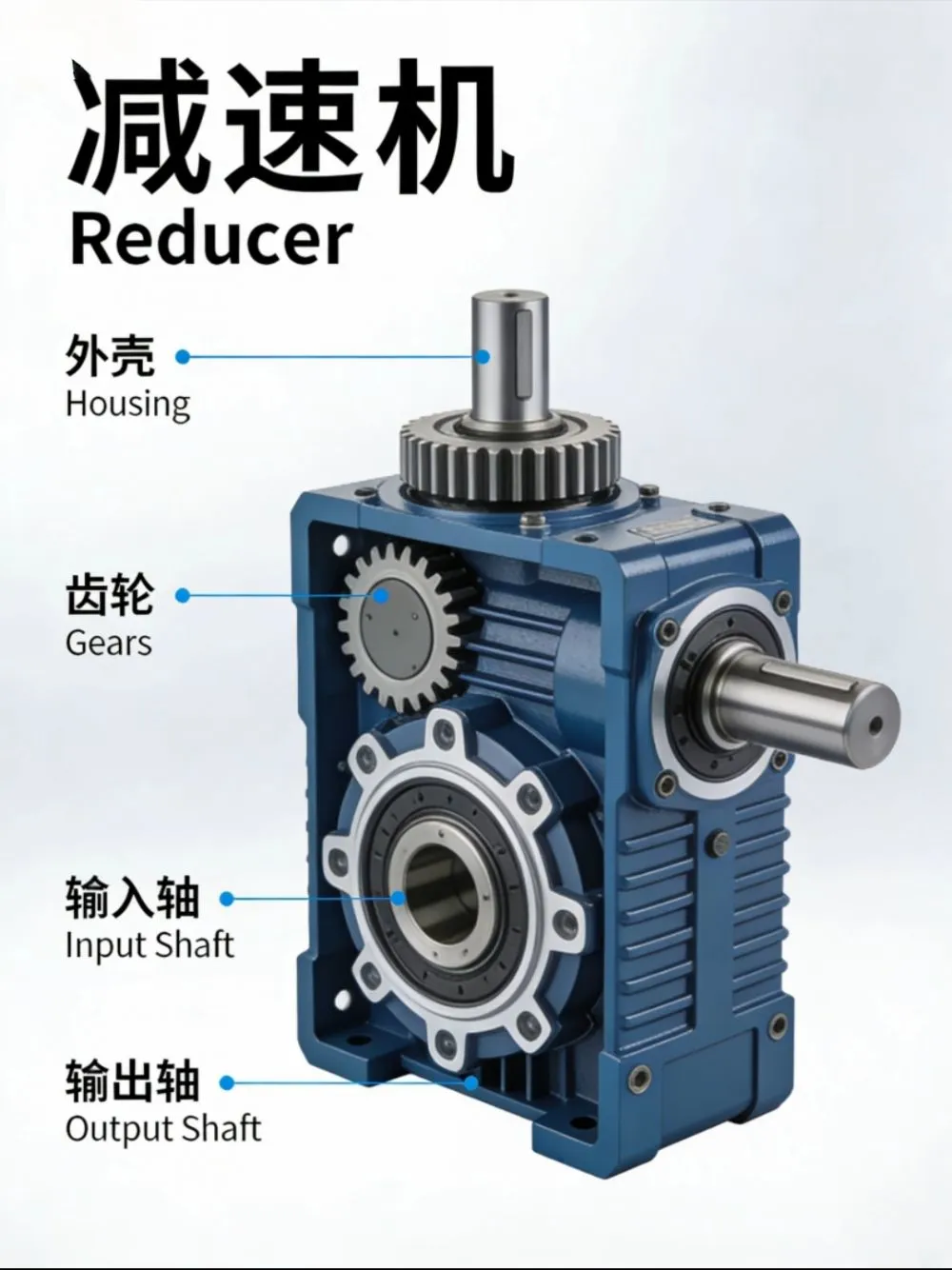
If you are purchasing parallel shaft gear reducers for food processing equipment and are facing problems such as unqualified hygiene, leakage, or unstable operation, or if you do not know how to select models to meet industry quality inspection requirements, please share your specific needs in the comment area (such as equipment type, hygiene standards, procurement volume, etc.). We will provide you with free exclusive model selection suggestions based on your actual working conditions, helping you choose high-adaptability and cost-effective products, making procurement more worry-free and production more assured.
#GearReducer #ParallelShaftGearReducer #FoodProcessing #HygieneCompliance #NoLeakage #StableTransmission #FoodEquipmentProcurement
Recently Posted
-
How to Fix Motor Burnout, Voltage Instability & Short Endurance in Agricultural Irrigation?
April 15, 2026How to Fix Motor Burnout, Voltage Instability & Short Endurance in Agricultural Irrigation?Agricultural irrigation (water pump Read More
 -
How to Fix Vibration, Startup Burnout & Misalignment with Gear Motors in Logistics?
April 15, 2026How to Fix Vibration, Startup Burnout & Misalignment with Gear Motors in Logistics?Smart warehouses, AGVs, sorting lines, and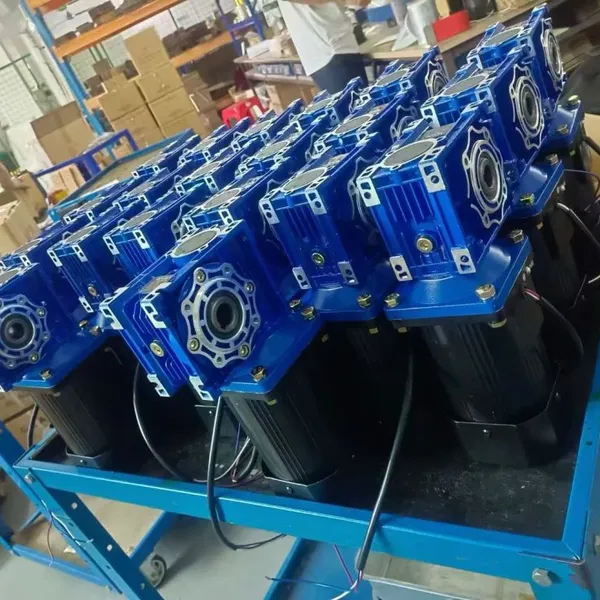 Read More
 -
Why Have You Been “Over-Procuring” All Along? Three Inertia Traps in Harmonic Gearbox Sizing
April 9, 2026Why Have You Been “Over-Procuring” All Along? Three Inertia Traps in Harmonic Gearbox Sizing“The last machine used this model. Let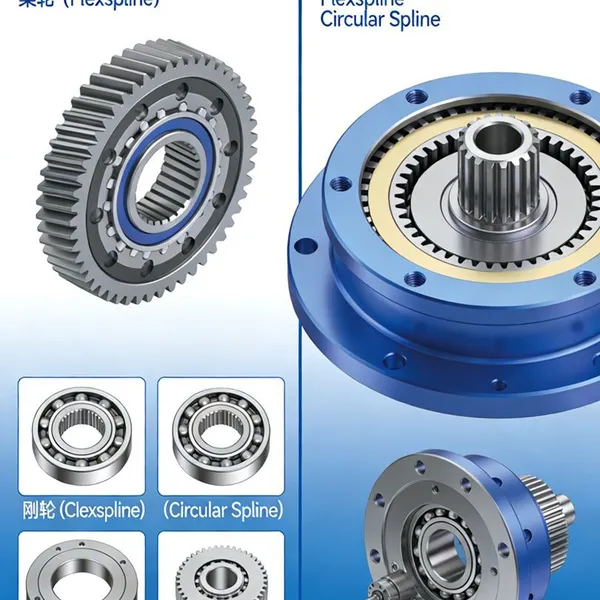 Read More
 -
How to Achieve Safety & Precision with Harmonic Reducers in Medical Surgical Robots?
April 9, 2026How to Achieve Safety & Precision with Harmonic Reducers in Medical Surgical Robots?Surgical robots (minimally invasive, ortho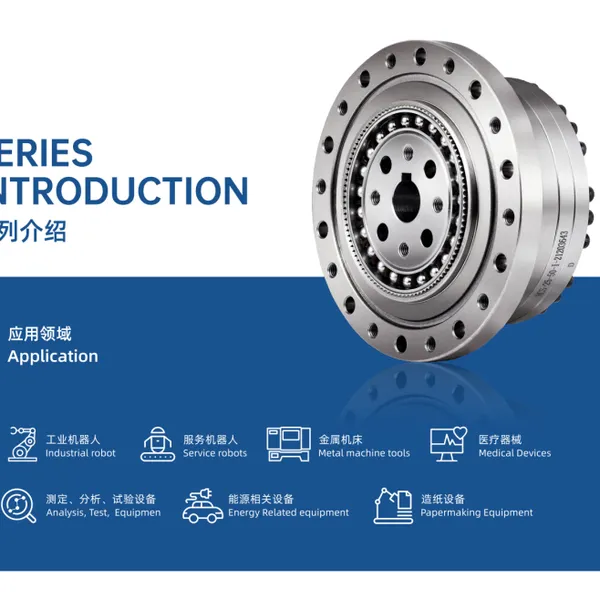 Read More

Contact Us
Recommended Products
-
 UH KEONE Hollow Harmonic Reducer for Robot Joint 137-294N·m, Low Backlash ≤30arcminNegotiableMOQ: 200 Pieces
 -
UH KEONE Hollow Harmonic Reducer 137-294N·m, Ratio 50-120, Low Noise ≤60dB for AutomationNegotiableMOQ: 200 Pieces
-
CNC Machining Flange Shaft High-Precision Custom by CAD/STEP Mechanical Transmission ShaftNegotiableMOQ: 100 Pieces
-
CNC Machining Flange Shaft High-Precision Custom by CAD/STEP Mechanical Transmission ShaftNegotiableMOQ: 100 Pieces
-
CNC Machining Shaft High-Precision Custom by CAD/STEP Mechanical Transmission ShaftNegotiableMOQ: 100 Pieces
-
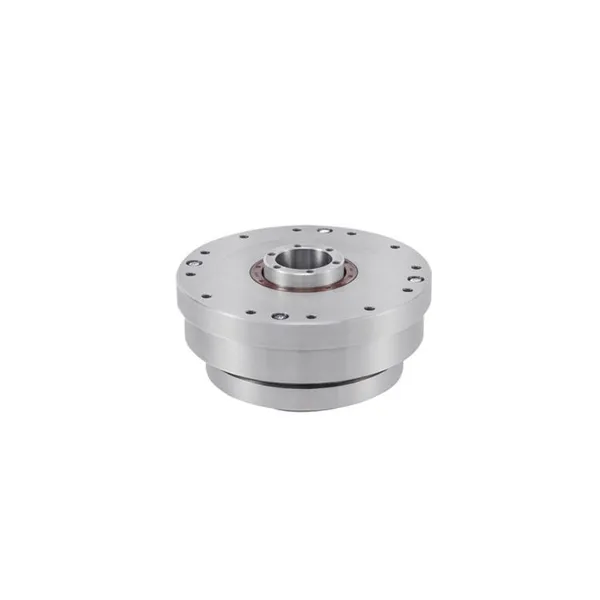
CNC Machining Locating Shaft High-Precision Custom by CAD/STEP Mechanical Transmission ShaftNegotiableMOQ: 100 Pieces
-
CNC Machining 8 Inch DN200 Flange Custom by Drawing(CAD/STEP)NegotiableMOQ: 100 Pieces
-
CNC Machining 4 Inch DN100 Flange Custom by Drawing(CAD/STEP)NegotiableMOQ: 100 Pieces
-
CNC Machined 6 Inch DN150 Flange Custom by Drawing(CAD/STEP)NegotiableMOQ: 100 Pieces
-
CNC Machined 6 Inch DN150 Flange Custom by Drawing(CAD/STEP)NegotiableMOQ: 100 Pieces