 Business License

A Comprehensive Analysis of Characteristics and Application Scenarios of Metal Materials for Machini
A Comprehensive Analysis of Characteristics and Application Scenarios of Common Metal Materials for Machining
In the field of metal product machining, material selection directly determines the performance, service life and production cost of products. Different metal materials vary significantly in hardness, toughness, corrosion resistance and other characteristics, and their suitable processing technologies and application scenarios are also different. Today, we will sort out the core characteristics and application scopes of several mainstream metal materials for machining.
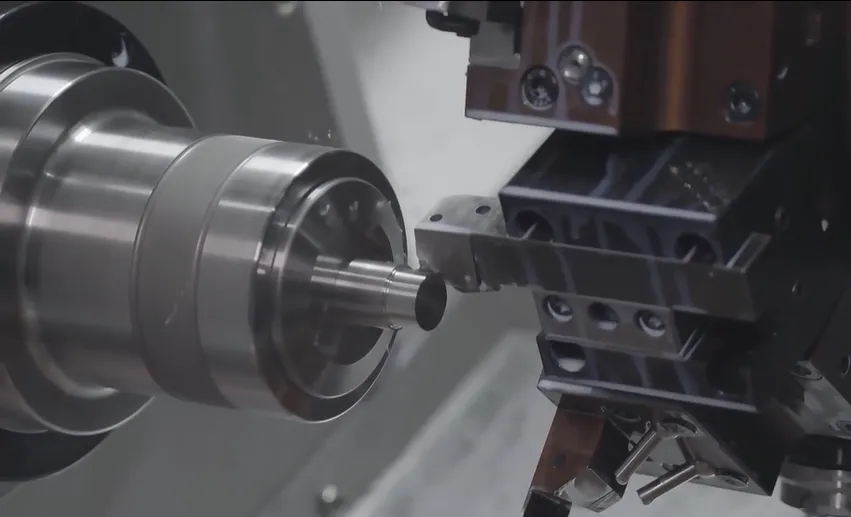
Carbon steel is the most commonly used basic material in machining. With the advantages of low price and good machinability, it accounts for half of the general mechanical parts. Among them, low-carbon steel has strong toughness, suitable for stamping and welding, and is often used to make brackets and housings. High-carbon steel has high hardness and excellent wear resistance after heat treatment, which is mostly used in gears, shafts and other components that need to bear large loads. However, the fatal shortcoming of carbon steel is poor corrosion resistance, so additional anti-rust treatments such as painting and galvanizing are required for outdoor use.
Stainless steel, which contains alloy elements such as chromium and nickel, has excellent rust resistance and oxidation resistance, making it the preferred material for food machinery, medical equipment and chemical equipment. 304 stainless steel has balanced machinability and is suitable for making tableware and pipelines. 316 stainless steel is added with molybdenum element, which has stronger corrosion resistance and is often used in coastal equipment or strong acid and alkali environments. However, high temperature tool adhesion is prone to occur during stainless steel processing, which has high requirements for the sharpness of cutting tools and cutting parameters.
Aluminum alloy is famous for its light weight and good thermal and electrical conductivity, and it is the core material in the fields of aerospace and automobile manufacturing. Its density is only one-third of that of carbon steel, which can significantly reduce the product weight and improve the operation efficiency of equipment. Aluminum alloy is easy to process with small cutting resistance, suitable for mass production of complex structural parts, such as automobile engine blocks and UAV frames. However, aluminum alloy has low hardness and poor wear resistance, and the key stress-bearing parts need to enhance surface strength through processes such as anodizing.
Copper and its alloys have the top thermal and electrical conductivity among metals, as well as good ductility and wear resistance, which are often used to make wires and cables, radiators and precision bearings. Brass has a high cost performance, suitable for processing valves and pipe fittings. Bronze has outstanding wear resistance and is often used to manufacture mechanical seals. But copper materials are relatively expensive, and burrs are easy to occur during processing. Special tools and polishing processes must be used to ensure precision.
Choosing the right metal material is the first step to the success of a machining project. In the subsequent processing, it is also necessary to match the corresponding processes and tools according to the material characteristics to achieve a win-win situation of efficiency and quality.
Recently Posted
-
How to Fix Motor Burnout, Voltage Instability & Short Endurance in Agricultural Irrigation?
April 15, 2026How to Fix Motor Burnout, Voltage Instability & Short Endurance in Agricultural Irrigation?Agricultural irrigation (water pump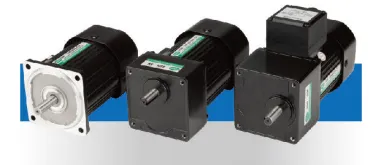 Read More
 -
How to Fix Vibration, Startup Burnout & Misalignment with Gear Motors in Logistics?
April 15, 2026How to Fix Vibration, Startup Burnout & Misalignment with Gear Motors in Logistics?Smart warehouses, AGVs, sorting lines, and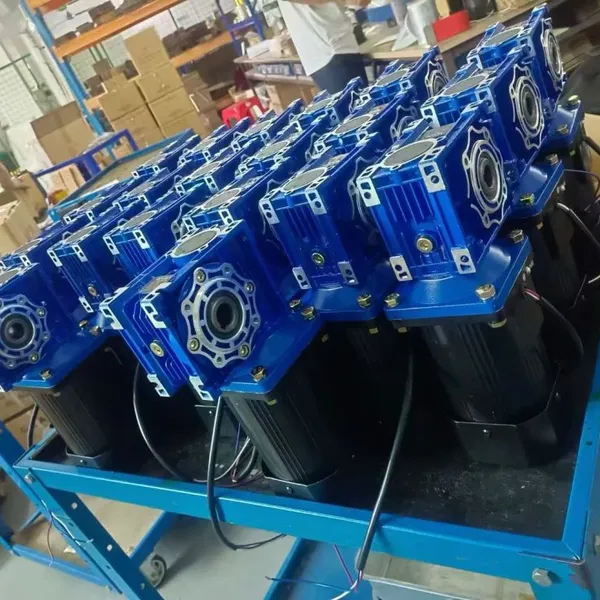 Read More
 -
Why Have You Been “Over-Procuring” All Along? Three Inertia Traps in Harmonic Gearbox Sizing
April 9, 2026Why Have You Been “Over-Procuring” All Along? Three Inertia Traps in Harmonic Gearbox Sizing“The last machine used this model. Let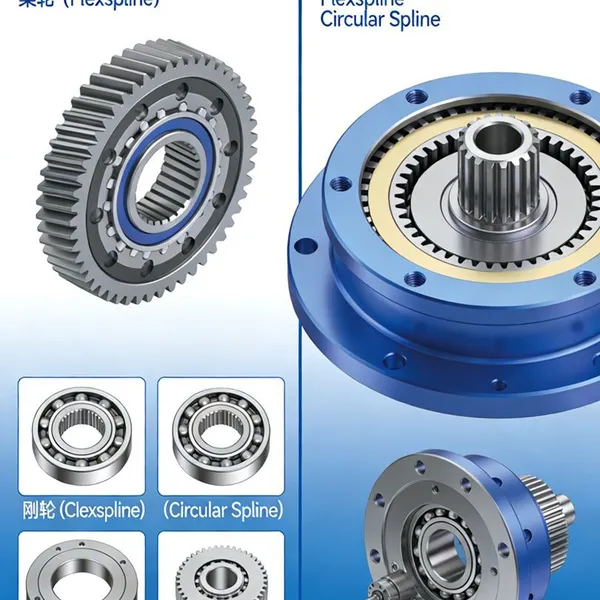 Read More
 -
How to Achieve Safety & Precision with Harmonic Reducers in Medical Surgical Robots?
April 9, 2026How to Achieve Safety & Precision with Harmonic Reducers in Medical Surgical Robots?Surgical robots (minimally invasive, ortho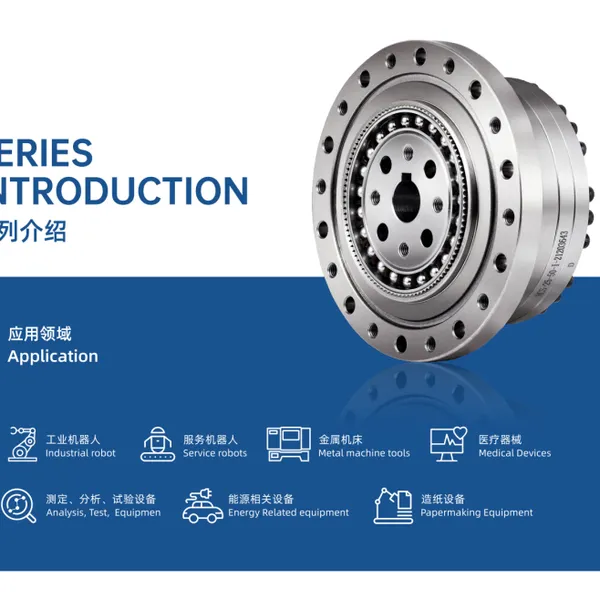 Read More

Contact Us
Recommended Products
-
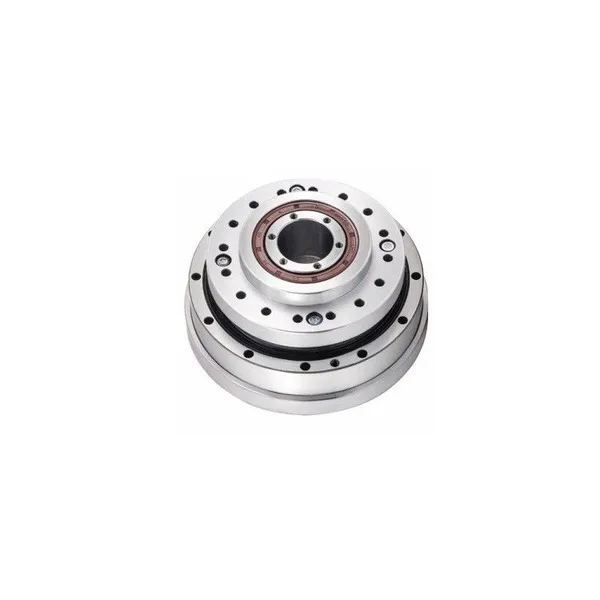
 UH KEONE Hollow Harmonic Reducer for Robot Joint 137-294N·m, Low Backlash ≤30arcminNegotiableMOQ: 200 Pieces
 -
UH KEONE Hollow Harmonic Reducer 137-294N·m, Ratio 50-120, Low Noise ≤60dB for AutomationNegotiableMOQ: 200 Pieces
-
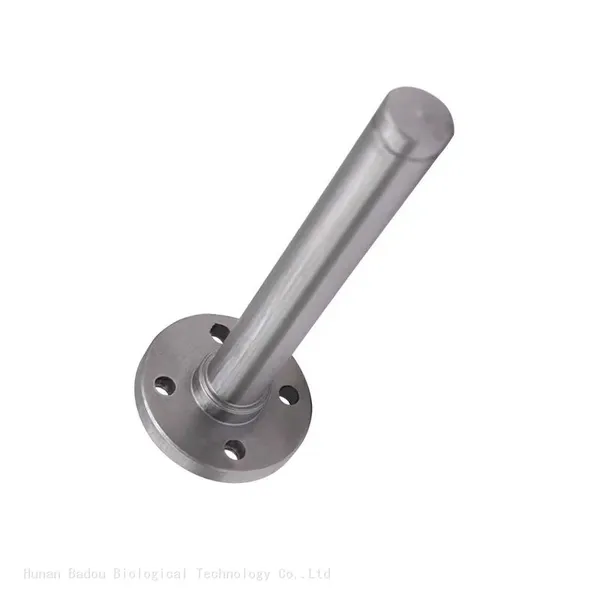
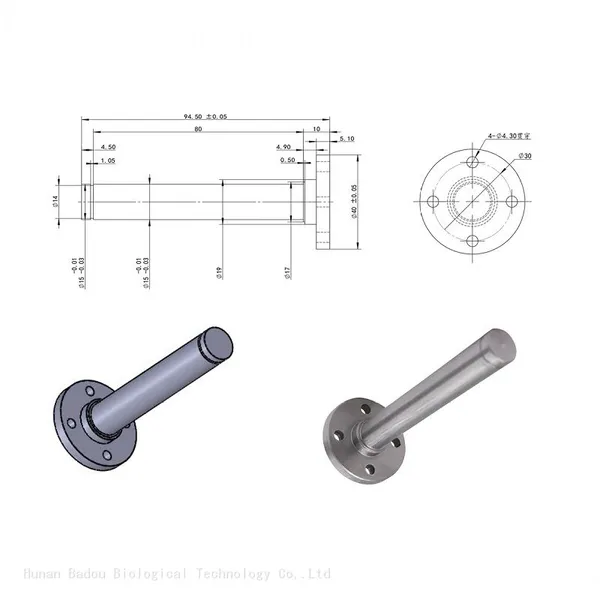
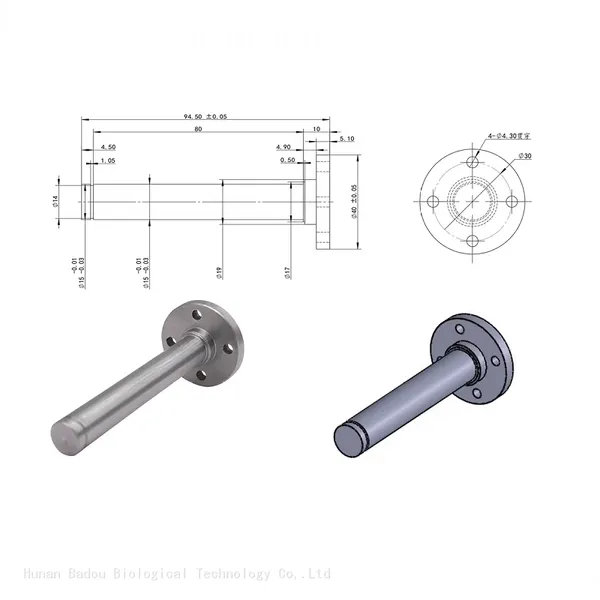
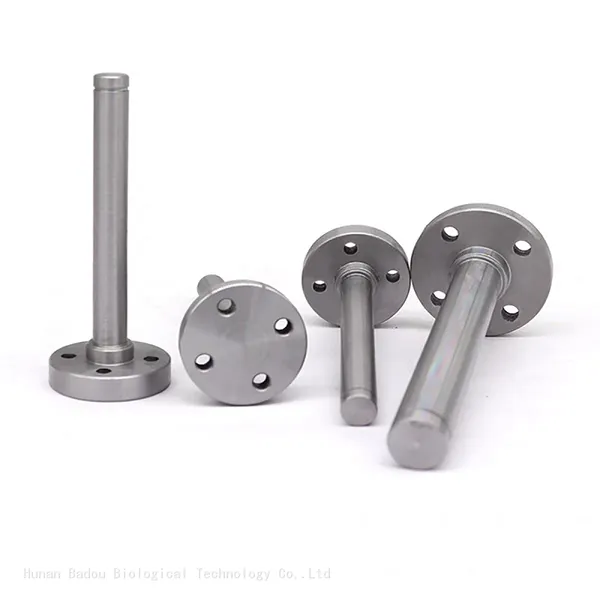
CNC Machining Flange Shaft High-Precision Custom by CAD/STEP Mechanical Transmission ShaftNegotiableMOQ: 100 Pieces
-
CNC Machining Flange Shaft High-Precision Custom by CAD/STEP Mechanical Transmission ShaftNegotiableMOQ: 100 Pieces
-
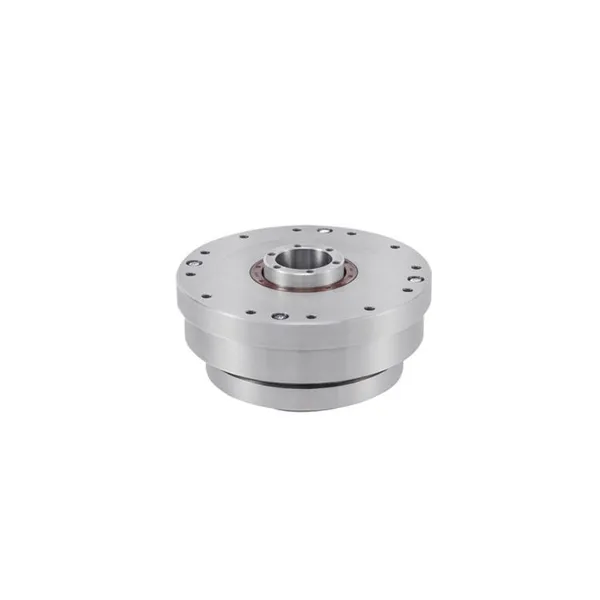
CNC Machining Shaft High-Precision Custom by CAD/STEP Mechanical Transmission ShaftNegotiableMOQ: 100 Pieces
-
CNC Machining Locating Shaft High-Precision Custom by CAD/STEP Mechanical Transmission ShaftNegotiableMOQ: 100 Pieces
-
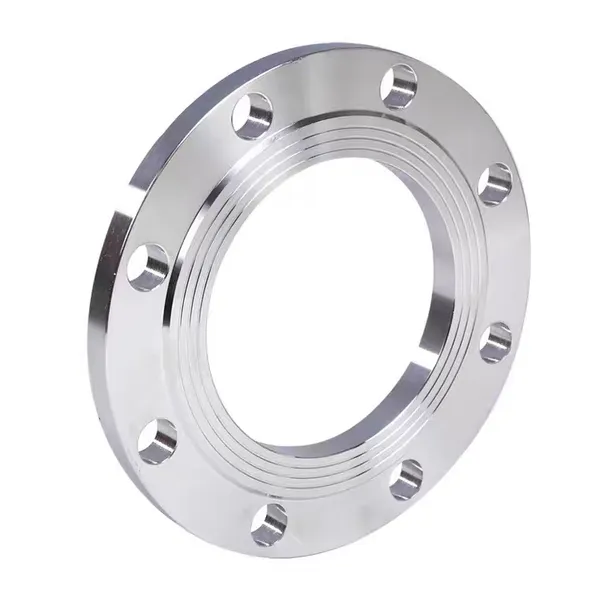
CNC Machining 8 Inch DN200 Flange Custom by Drawing(CAD/STEP)NegotiableMOQ: 100 Pieces
-
CNC Machining 4 Inch DN100 Flange Custom by Drawing(CAD/STEP)NegotiableMOQ: 100 Pieces
-
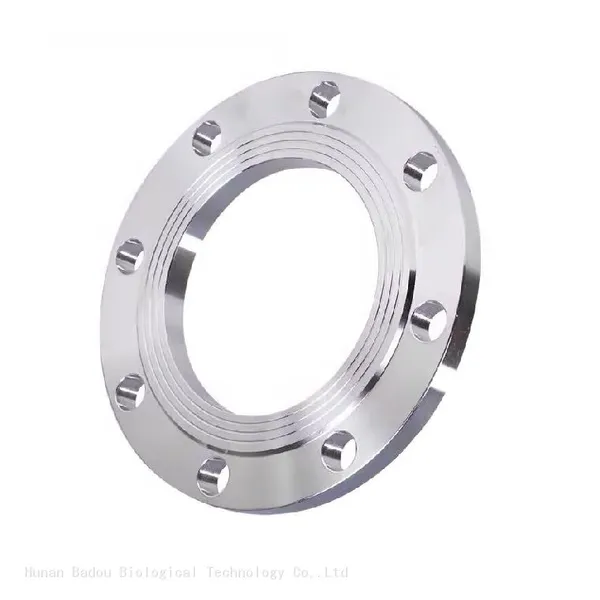
CNC Machined 6 Inch DN150 Flange Custom by Drawing(CAD/STEP)NegotiableMOQ: 100 Pieces
-
CNC Machined 6 Inch DN150 Flange Custom by Drawing(CAD/STEP)NegotiableMOQ: 100 Pieces