 Business License

The Dilemma of New Energy Vehicle Motor Selection: How to Find the Balance Between Efficiency and Co
The Dilemma of New Energy Vehicle Motor Selection: How to Find the Balance Between Efficiency and Cost?
"Engineer Wang has been anxious lately. The new energy logistics vehicle project he's responsible for has reached a critical stage, and motor selection has sparked heated debate within the team. Permanent magnet synchronous motors offer high efficiency but are cost-sensitive, while asynchronous induction motors are cheaper but have mediocre high-speed performance. More importantly, battery pack cost pressures make every 1% efficiency gain crucial."
This is not just Engineer Wang's dilemma; it's a core challenge for the entire new energy vehicle industry. According to the latest MIIT data, the electric drive system accounts for about 15-20% of total vehicle cost, and a 1% improvement in motor efficiency can increase range by 2-3%. Behind these numbers are countless engineers making difficult trade-offs between efficiency, cost, and reliability.
Deep Dive into Industry Needs:
Passenger Vehicle Sector: Pursues ultimate efficiency, making permanent magnet synchronous motors mainstream, but faces risks from rare earth price fluctuations.
Commercial Vehicle Sector: Prioritizes reliability and cost, with hybrid excitation and asynchronous motors each having their market.
Special Purpose Vehicles: Instantaneous torque and overload capacity become primary indicators.
Technology Roadmap Comparison:
Permanent Magnet Synchronous Motors: 97% peak efficiency, suitable for urban driving conditions.
Asynchronous Induction Motors: Low cost, maintenance-free, suitable for high-speed cruising.
Switched Reluctance Motors: Strong impact resistance, suitable for construction machinery.
"Our customized solution for an automaker, through optimization of the motor and controller, achieved a 2.8% system efficiency improvement with only a 5% cost increase," shared our Technical Director, Engineer Zhang.
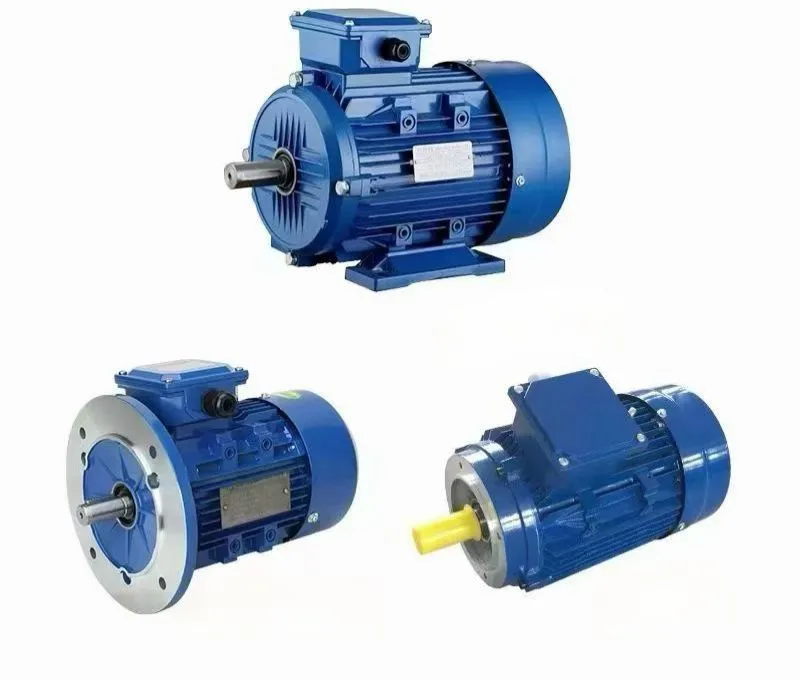
If you face similar selection challenges, please leave a comment describing your specific operating conditions and performance requirements. Our application engineers will provide you with a targeted analysis report.
#ElectricMotor #NewEnergyVehicles #MotorSelection #PermanentMagnetSynchronous #CostOptimization #ElectricDriveSystem #EfficiencyImprovement #TechnicalSolutions #IndustryChallenges
Recently Posted
-
How to Fix Motor Burnout, Voltage Instability & Short Endurance in Agricultural Irrigation?
April 15, 2026How to Fix Motor Burnout, Voltage Instability & Short Endurance in Agricultural Irrigation?Agricultural irrigation (water pump Read More
 -
How to Fix Vibration, Startup Burnout & Misalignment with Gear Motors in Logistics?
April 15, 2026How to Fix Vibration, Startup Burnout & Misalignment with Gear Motors in Logistics?Smart warehouses, AGVs, sorting lines, and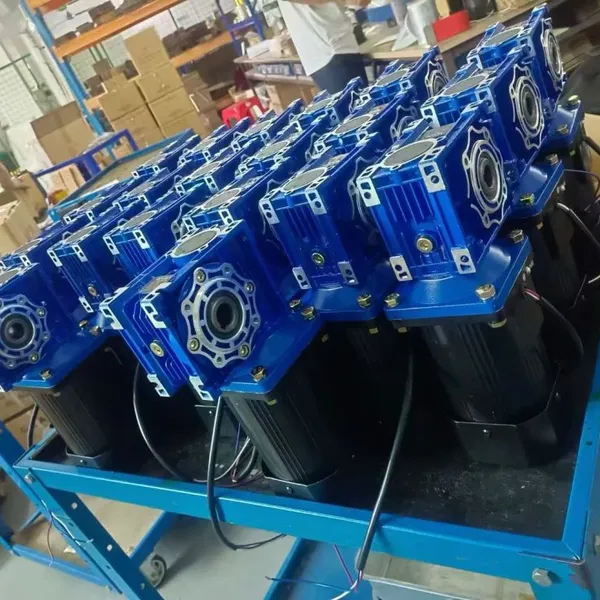 Read More
 -
Why Have You Been “Over-Procuring” All Along? Three Inertia Traps in Harmonic Gearbox Sizing
April 9, 2026Why Have You Been “Over-Procuring” All Along? Three Inertia Traps in Harmonic Gearbox Sizing“The last machine used this model. Let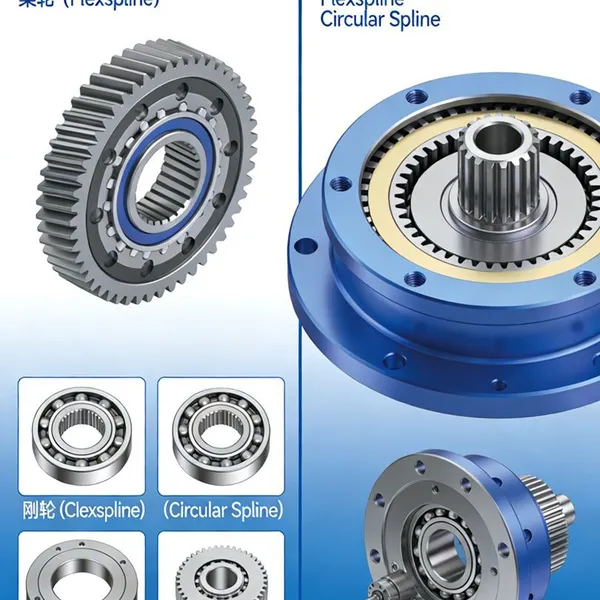 Read More
 -
How to Achieve Safety & Precision with Harmonic Reducers in Medical Surgical Robots?
April 9, 2026How to Achieve Safety & Precision with Harmonic Reducers in Medical Surgical Robots?Surgical robots (minimally invasive, ortho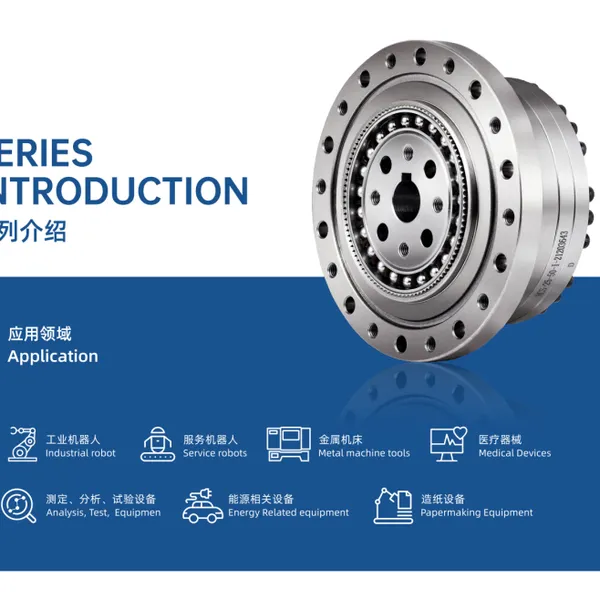 Read More

Contact Us
Recommended Products
-
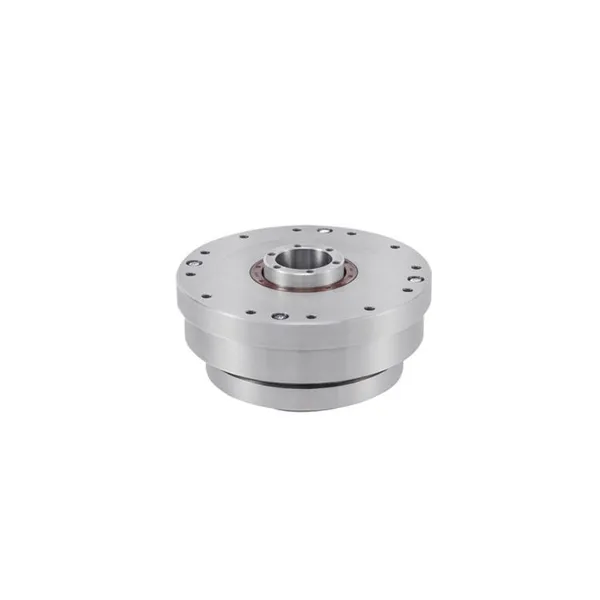
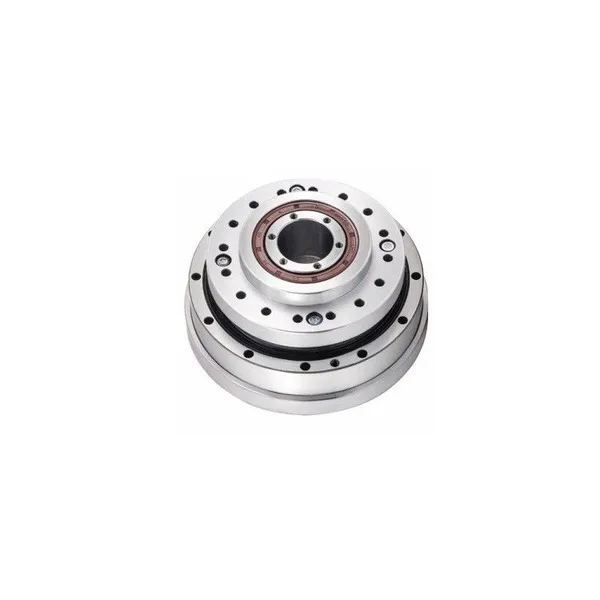
 UH KEONE Hollow Harmonic Reducer for Robot Joint 137-294N·m, Low Backlash ≤30arcminNegotiableMOQ: 200 Pieces
 -
UH KEONE Hollow Harmonic Reducer 137-294N·m, Ratio 50-120, Low Noise ≤60dB for AutomationNegotiableMOQ: 200 Pieces
-
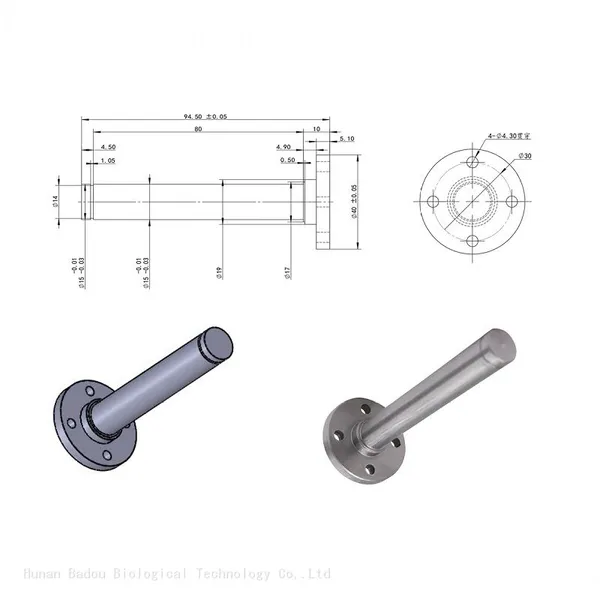
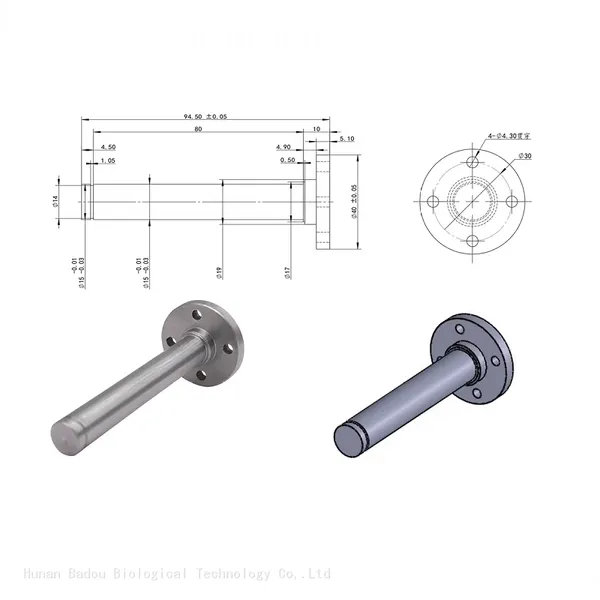
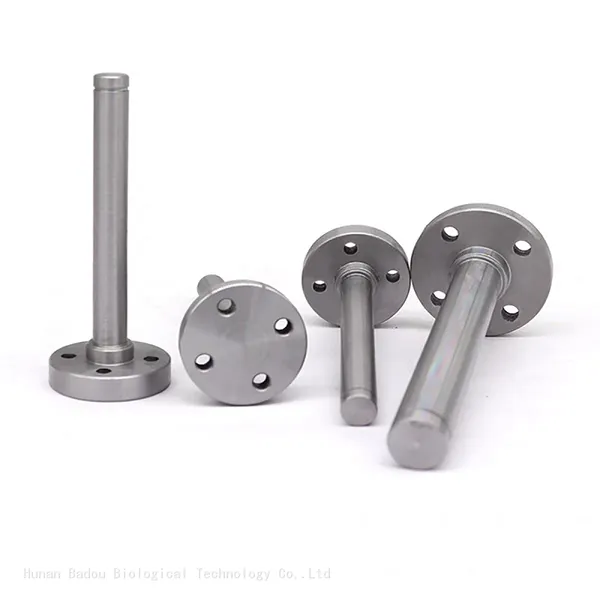
CNC Machining Flange Shaft High-Precision Custom by CAD/STEP Mechanical Transmission ShaftNegotiableMOQ: 100 Pieces
-
CNC Machining Flange Shaft High-Precision Custom by CAD/STEP Mechanical Transmission ShaftNegotiableMOQ: 100 Pieces
-
CNC Machining Shaft High-Precision Custom by CAD/STEP Mechanical Transmission ShaftNegotiableMOQ: 100 Pieces
-
CNC Machining Locating Shaft High-Precision Custom by CAD/STEP Mechanical Transmission ShaftNegotiableMOQ: 100 Pieces
-
CNC Machining 8 Inch DN200 Flange Custom by Drawing(CAD/STEP)NegotiableMOQ: 100 Pieces
-
CNC Machining 4 Inch DN100 Flange Custom by Drawing(CAD/STEP)NegotiableMOQ: 100 Pieces
-
CNC Machined 6 Inch DN150 Flange Custom by Drawing(CAD/STEP)NegotiableMOQ: 100 Pieces
-
CNC Machined 6 Inch DN150 Flange Custom by Drawing(CAD/STEP)NegotiableMOQ: 100 Pieces