 Business License

Three-Ring Reducers - Solving Procurement Problems of Heavy Load Impact and High-Efficiency Transmis
Three-Ring Reducers in the Building Materials Machinery Industry: Solving Procurement Problems of Heavy Load Impact and High-Efficiency Transmission
As a procurement manager for building materials machinery, are you often troubled by these problems: Equipment such as cement mills, concrete mixers, and tile presses operate under heavy load and high-frequency impact conditions all year round. The reducers you purchase either have insufficient load-bearing capacity, frequently experiencing failures such as gear tooth breakage and shaft fracture, requiring frequent maintenance and replacement; or they have low transmission efficiency and high energy consumption. Building materials production itself consumes a lot of energy, and the electricity cost remains high in the long run. In addition, some reducers are too large and inconvenient to install, and the after-sales response is not timely. Long downtime for equipment maintenance delays production progress and causes huge economic losses.
The core transmission needs of the building materials machinery industry are "heavy load impact resistance, high-efficiency transmission, size adaptability, and easy installation". With its unique three-ring transmission structure, the three-ring reducer has become the core transmission equipment for building materials machinery. The three-ring reducer adopts multi-tooth meshing transmission, with uniform force and extremely strong load-bearing capacity, which can easily withstand the heavy load impact of building materials machinery and avoid failures such as gear tooth breakage and shaft fracture. At the same time, its transmission efficiency can reach more than 94%, which can effectively reduce energy consumption and meet the energy-saving needs of the building materials industry. In addition, it has a compact structure and moderate size, making it easy to install, which can adapt to the installation scenarios of building materials machinery and reduce installation costs.
For us procurement managers of building materials machinery, the primary consideration when selecting models is "heavy load impact resistance". Building materials machinery has large loads and frequent impacts. Ordinary reducers cannot be adapted for a long time. Blind procurement will only lead to frequent failures and increased downtime losses. Secondly, transmission efficiency and after-sales response capacity are also crucial. Most building materials production lines operate continuously. Energy consumption and downtime directly affect the company’s profitability. Choosing energy-efficient suppliers with fast after-sales response can effectively reduce costs and losses.
We have contacted a large building materials enterprise. Its procurement manager once stated that the ordinary gear reducers purchased earlier, when used in cement mill transmission, had insufficient load-bearing capacity, with at least one gear tooth breakage failure per month. Each shutdown for maintenance took 3 days, resulting in a direct loss of more than 200,000 yuan. Moreover, the transmission efficiency was low, consuming more than 180,000 yuan in electricity costs every year. Later, they replaced it with a three-ring reducer, which significantly improved the load-bearing capacity, operating continuously for 12 months without failures. The transmission efficiency increased to more than 94%, and energy consumption decreased by 16%, saving more than 400,000 yuan annually in maintenance and electricity costs.
When purchasing three-ring reducers for building materials machinery, it is recommended to focus on four key points: first, load-bearing capacity. Calculate the rated torque according to the heavy load requirements of the equipment, with a 20% safety margin reserved; second, transmission efficiency. Prioritize products with transmission efficiency ≥94% to reduce energy consumption; third, ease of installation. Choose products with compact structure and simple installation to reduce installation costs; fourth, after-sales guarantee. Prioritize suppliers with fast after-sales response and on-site maintenance services.
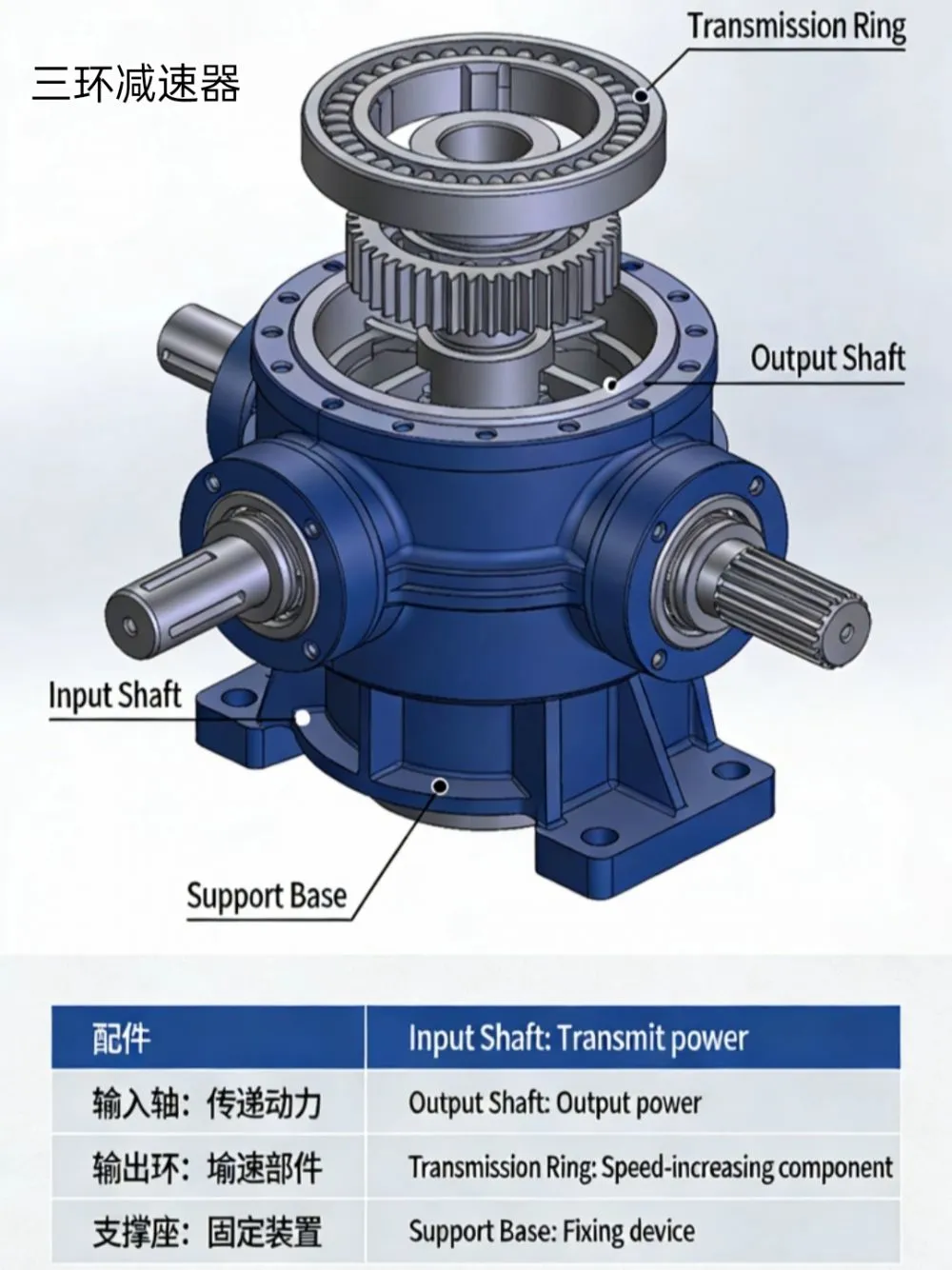
If your building materials machinery is facing problems such as insufficient load-bearing capacity, frequent failures, or high energy consumption of reducers, or if you do not know how to match the heavy load requirements of the equipment when selecting models, please share your specific needs in the comment area (such as equipment type, load parameters, installation scenario, etc.). We will provide you with free exclusive model selection suggestions based on your actual working conditions, helping you choose cost-effective products suitable for the building materials scenario, reduce failures, and lower costs.
#Reducer #Three-RingReducer #BuildingMaterialsMachinery #HeavyLoadImpactResistance #High-EfficiencyTransmission #EnergySaving #BuildingMaterialsProcurement
Recently Posted
-
How to Fix Motor Burnout, Voltage Instability & Short Endurance in Agricultural Irrigation?
April 15, 2026How to Fix Motor Burnout, Voltage Instability & Short Endurance in Agricultural Irrigation?Agricultural irrigation (water pump Read More
 -
How to Fix Vibration, Startup Burnout & Misalignment with Gear Motors in Logistics?
April 15, 2026How to Fix Vibration, Startup Burnout & Misalignment with Gear Motors in Logistics?Smart warehouses, AGVs, sorting lines, and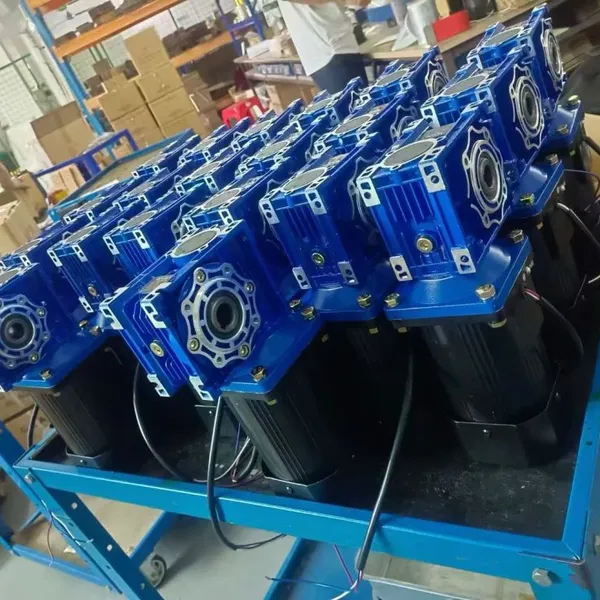 Read More
 -
Why Have You Been “Over-Procuring” All Along? Three Inertia Traps in Harmonic Gearbox Sizing
April 9, 2026Why Have You Been “Over-Procuring” All Along? Three Inertia Traps in Harmonic Gearbox Sizing“The last machine used this model. Let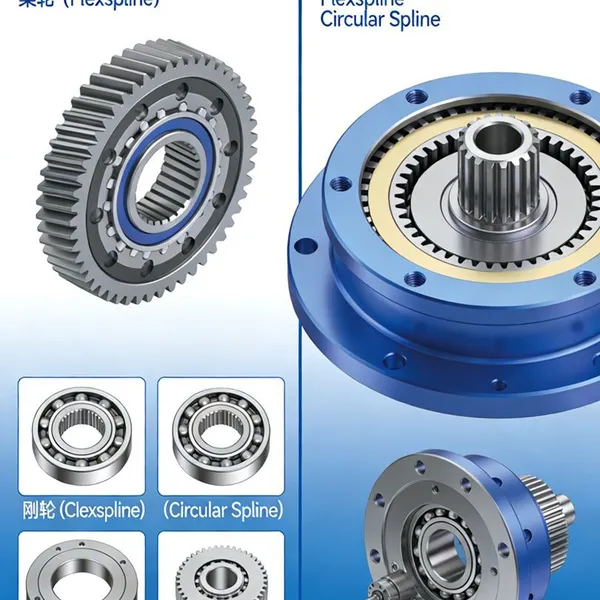 Read More
 -
How to Achieve Safety & Precision with Harmonic Reducers in Medical Surgical Robots?
April 9, 2026How to Achieve Safety & Precision with Harmonic Reducers in Medical Surgical Robots?Surgical robots (minimally invasive, ortho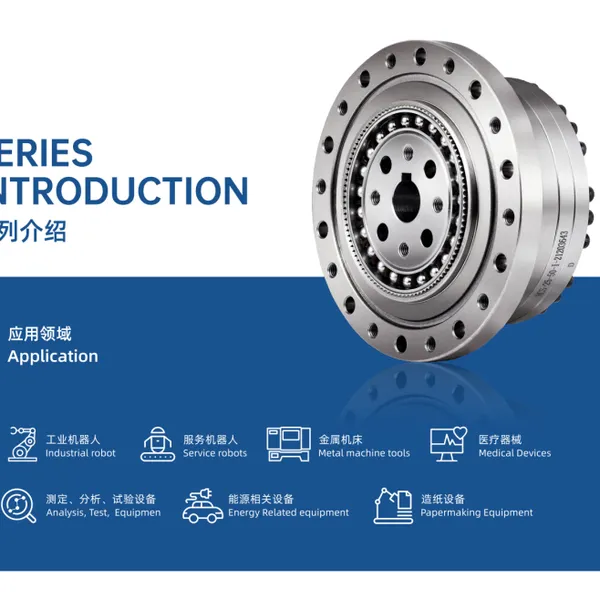 Read More

Contact Us
Recommended Products
-
 UH KEONE Hollow Harmonic Reducer for Robot Joint 137-294N·m, Low Backlash ≤30arcminNegotiableMOQ: 200 Pieces
 -
UH KEONE Hollow Harmonic Reducer 137-294N·m, Ratio 50-120, Low Noise ≤60dB for AutomationNegotiableMOQ: 200 Pieces
-
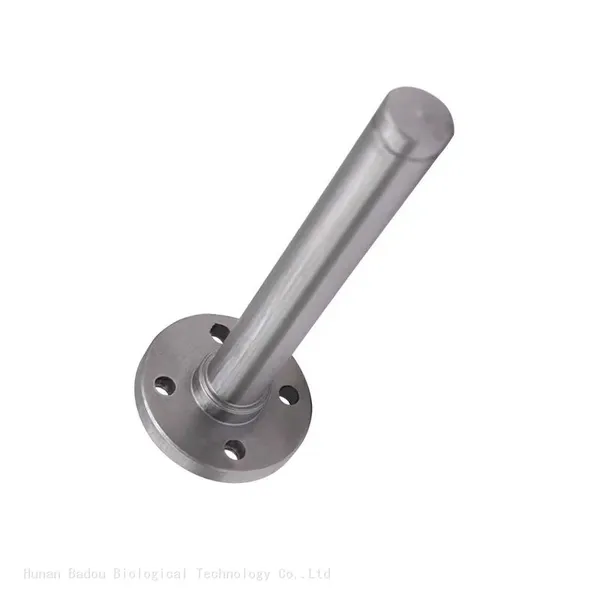
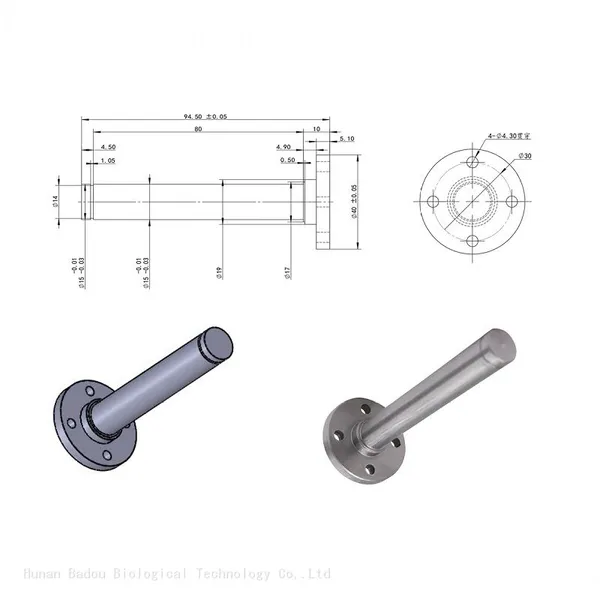
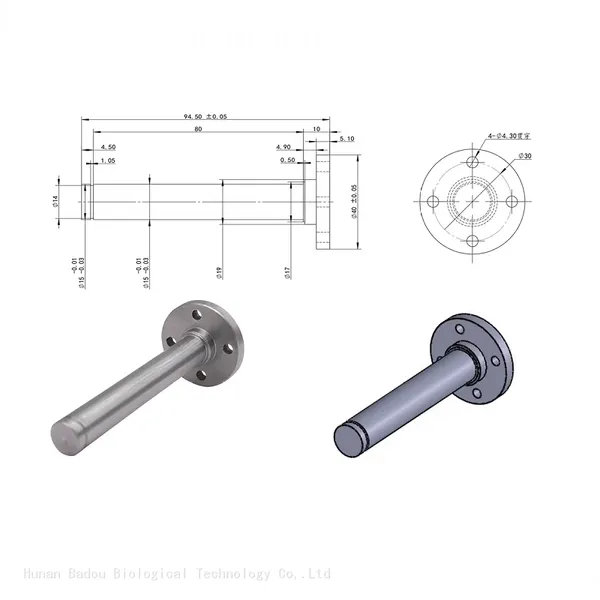
CNC Machining Flange Shaft High-Precision Custom by CAD/STEP Mechanical Transmission ShaftNegotiableMOQ: 100 Pieces
-
CNC Machining Flange Shaft High-Precision Custom by CAD/STEP Mechanical Transmission ShaftNegotiableMOQ: 100 Pieces
-
CNC Machining Shaft High-Precision Custom by CAD/STEP Mechanical Transmission ShaftNegotiableMOQ: 100 Pieces
-
CNC Machining Locating Shaft High-Precision Custom by CAD/STEP Mechanical Transmission ShaftNegotiableMOQ: 100 Pieces
-
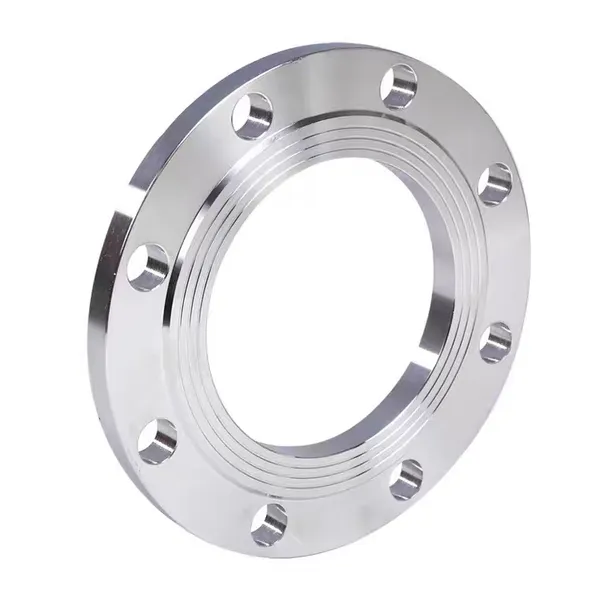
CNC Machining 8 Inch DN200 Flange Custom by Drawing(CAD/STEP)NegotiableMOQ: 100 Pieces
-
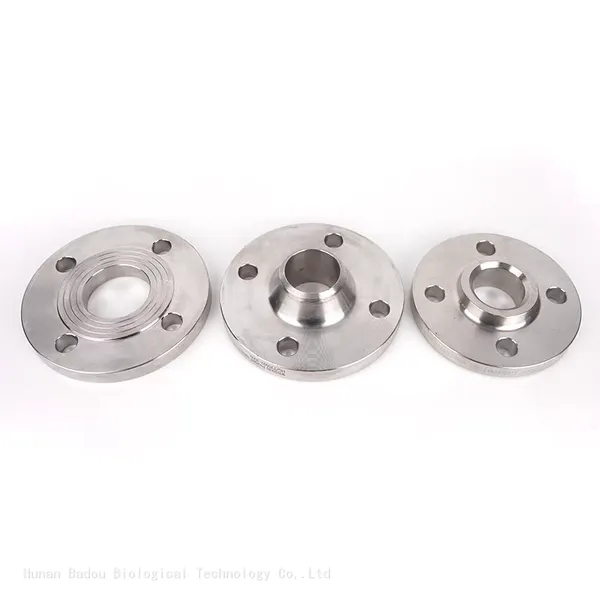
CNC Machining 4 Inch DN100 Flange Custom by Drawing(CAD/STEP)NegotiableMOQ: 100 Pieces
-
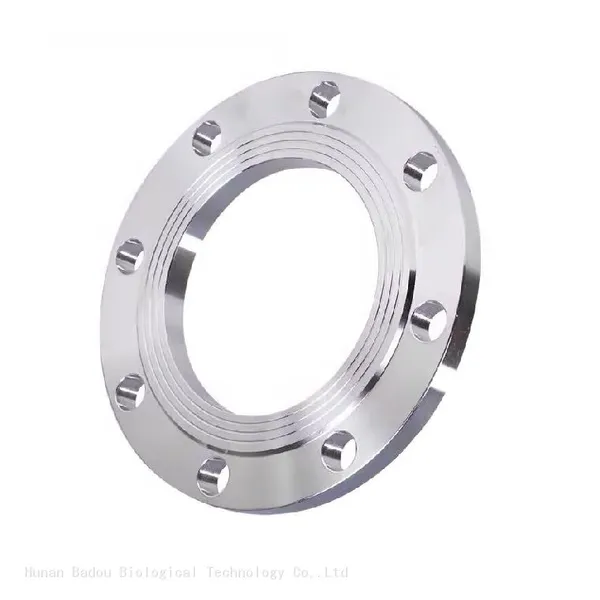
CNC Machined 6 Inch DN150 Flange Custom by Drawing(CAD/STEP)NegotiableMOQ: 100 Pieces
-
CNC Machined 6 Inch DN150 Flange Custom by Drawing(CAD/STEP)NegotiableMOQ: 100 Pieces