 Business License

Planetary Gearbox Reducers in the Robot Welding Industry
Planetary Gearbox Reducers in the Robot Welding Industry: Solving Pain Points of High Precision and Anti-Interference Adaptation
As a procurement manager in the robot welding equipment industry, you must deeply understand: Robot welding requires high-precision positioning and stable transmission. The reducers you purchase either lack precision, leading to welding deviations and uneven weld seams, which affect welding quality and even require manual rework, increasing labor costs; or they vibrate excessively during operation, interfering with the positioning accuracy of welding robots and causing welding defects. What's more frustrating is that there are interferences such as dust and sparks in the welding scene. Some reducers have poor protection performance, and dust and sparks penetrate into the interior, causing component damage, frequent failures, and delaying production progress.
The core transmission needs of the robot welding industry are "high precision, low vibration, strong protection, and anti-interference". With its excellent transmission performance and protective design, the planetary gearbox reducer has become the preferred choice for robot welding equipment. The planetary gearbox reducer adopts multi-planetary gear meshing transmission, with high transmission precision and backlash up to ≤0.5 arc minutes, which can ensure the positioning accuracy of welding robots, avoid welding deviations, and reduce manual rework. At the same time, it operates stably with low vibration, which can effectively avoid vibration interfering with welding precision and improve welding quality. In addition, it adopts a sealed protective structure, which can effectively block the penetration of dust and sparks, adapt to the interference environment of the welding scene, and extend the service life.
For procurement managers of robot welding equipment, the key to model selection is "precision and protection performance". Welding quality is the core competitiveness. The precision of the reducer directly determines the welding precision, and the protection performance determines the service life of the reducer and the operational stability of the equipment. At the same time, most welding robots are customized equipment, so the adaptability of the reducer is also crucial. It is necessary to select the appropriate torque and precision specifications according to the robot model and welding needs. In addition, the technical strength of the supplier is also important, which can provide customized model selection solutions to ensure the perfect adaptation of the reducer and the welding robot.
The procurement manager of a machinery manufacturing enterprise once fed back to us that the reducers of a certain brand purchased earlier, when used in welding robots, lacked precision, resulting in serious welding deviations and a manual rework rate as high as 15%, with a monthly manual rework cost of more than 80,000 yuan. Moreover, the protection performance was poor, and dust penetration caused at least one shutdown for maintenance per month, delaying production progress. Later, they replaced it with a planetary gearbox reducer, which significantly improved precision, reduced the welding rework rate to below 1%, had excellent protection performance, no dust or spark penetration problems, and reduced the failure rate by 90%, saving more than 250,000 yuan annually in labor and maintenance costs.
When purchasing planetary gearbox reducers for robot welding, it is recommended to focus on four key points: first, precision level. Prioritize products with backlash ≤0.5 arc minutes to ensure welding positioning accuracy; second, vibration parameters. Choose products with minimal vibration and stable operation to avoid interfering with welding precision; third, protection level. Prioritize products with IP65 or above protection level to adapt to the interference environment of the welding scene; fourth, adaptability. Select the appropriate torque and specifications according to the welding robot model and needs.
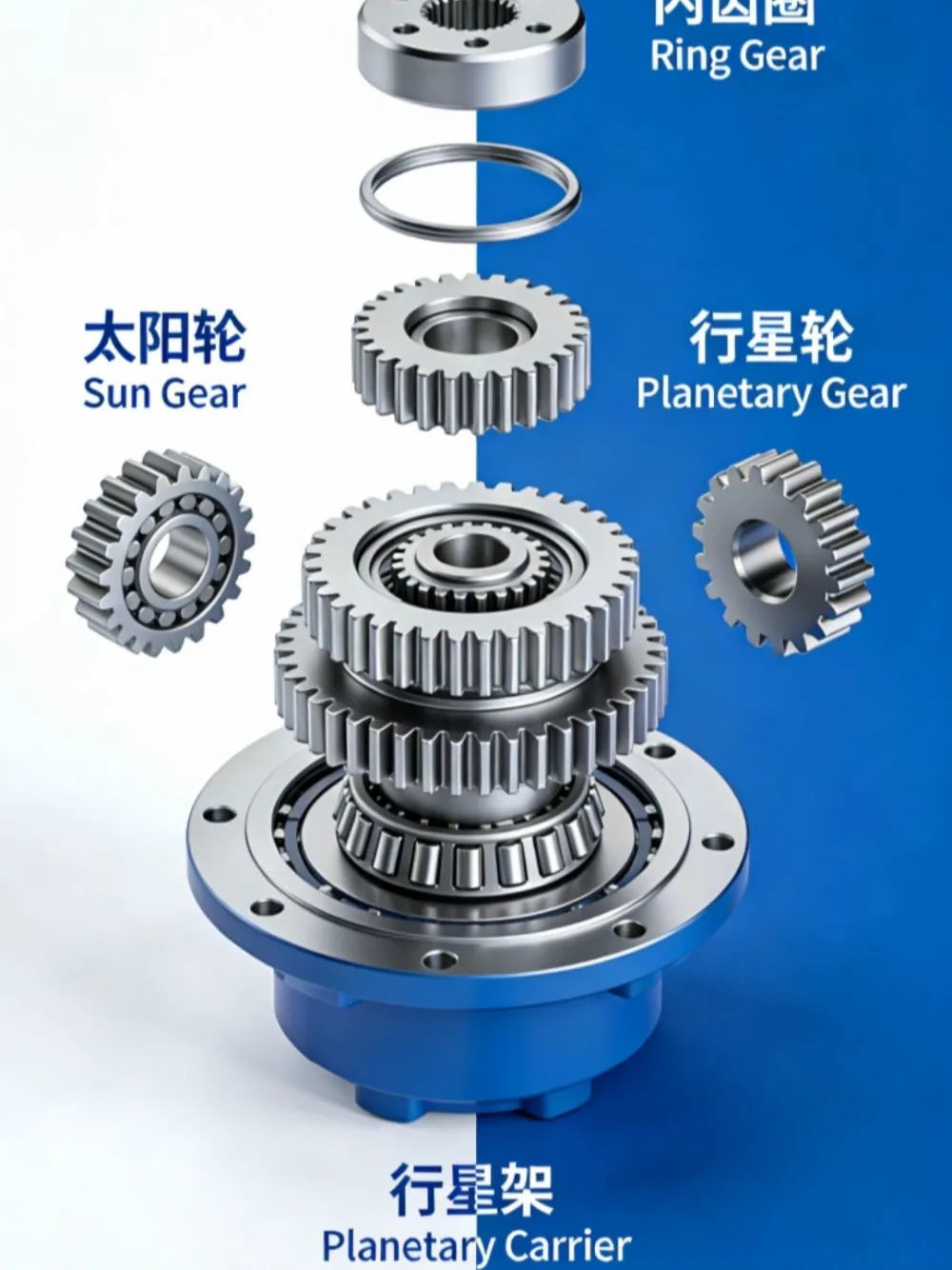
If your welding robot is facing problems such as insufficient precision, vibration interference, or poor protection performance of the reducer, or if you do not know how to match the welding needs of the robot when selecting models, please leave your specific needs in the comment area (such as robot model, welding precision requirements, use scenario, etc.). We will provide you with free exclusive model selection suggestions, helping you choose high-adaptability and high-precision planetary gearbox reducers, improve welding quality, and reduce costs.
#GearReducer #Reducer #PlanetaryGearboxReducer #RobotWelding #HighPrecisionPositioning #Anti-Interference #StrongProtection #WeldingEquipmentProcurement
Recently Posted
-
How to Fix Motor Burnout, Voltage Instability & Short Endurance in Agricultural Irrigation?
April 15, 2026How to Fix Motor Burnout, Voltage Instability & Short Endurance in Agricultural Irrigation?Agricultural irrigation (water pump Read More
 -
How to Fix Vibration, Startup Burnout & Misalignment with Gear Motors in Logistics?
April 15, 2026How to Fix Vibration, Startup Burnout & Misalignment with Gear Motors in Logistics?Smart warehouses, AGVs, sorting lines, and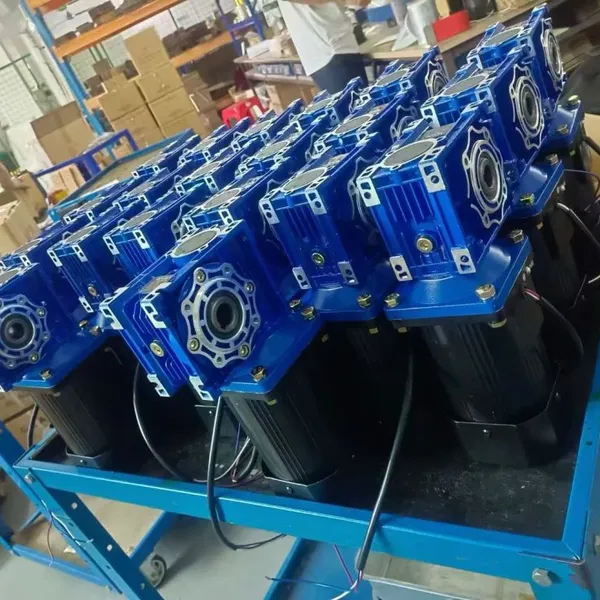 Read More
 -
Why Have You Been “Over-Procuring” All Along? Three Inertia Traps in Harmonic Gearbox Sizing
April 9, 2026Why Have You Been “Over-Procuring” All Along? Three Inertia Traps in Harmonic Gearbox Sizing“The last machine used this model. Let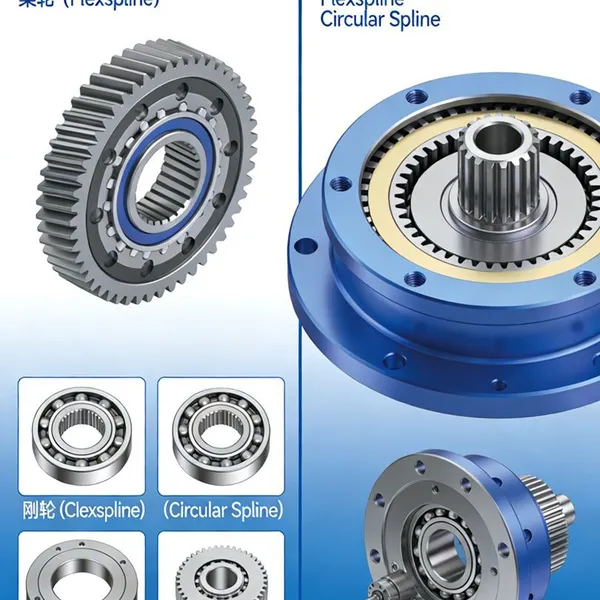 Read More
 -
How to Achieve Safety & Precision with Harmonic Reducers in Medical Surgical Robots?
April 9, 2026How to Achieve Safety & Precision with Harmonic Reducers in Medical Surgical Robots?Surgical robots (minimally invasive, ortho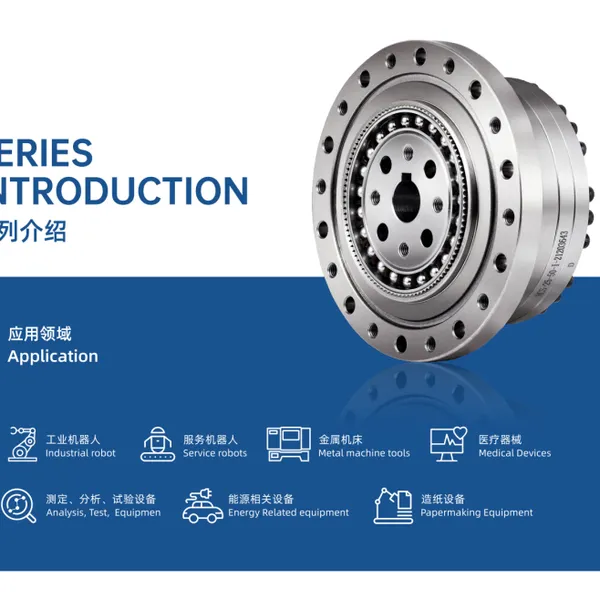 Read More

Contact Us
Recommended Products
-
 UH KEONE Hollow Harmonic Reducer for Robot Joint 137-294N·m, Low Backlash ≤30arcminNegotiableMOQ: 200 Pieces
 -
UH KEONE Hollow Harmonic Reducer 137-294N·m, Ratio 50-120, Low Noise ≤60dB for AutomationNegotiableMOQ: 200 Pieces
-
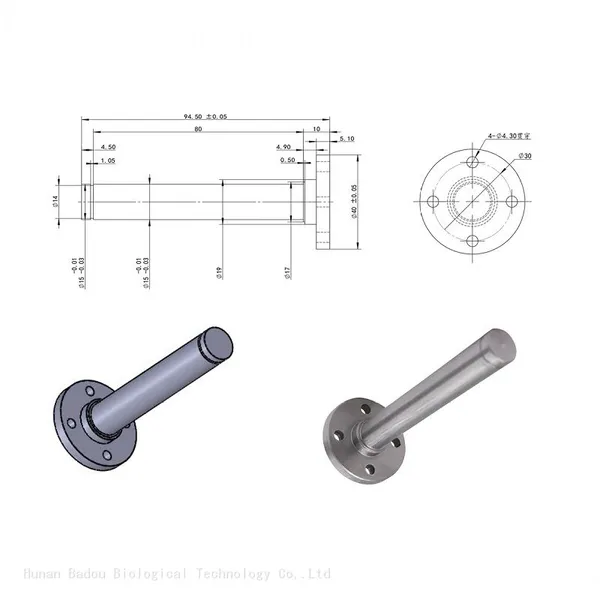
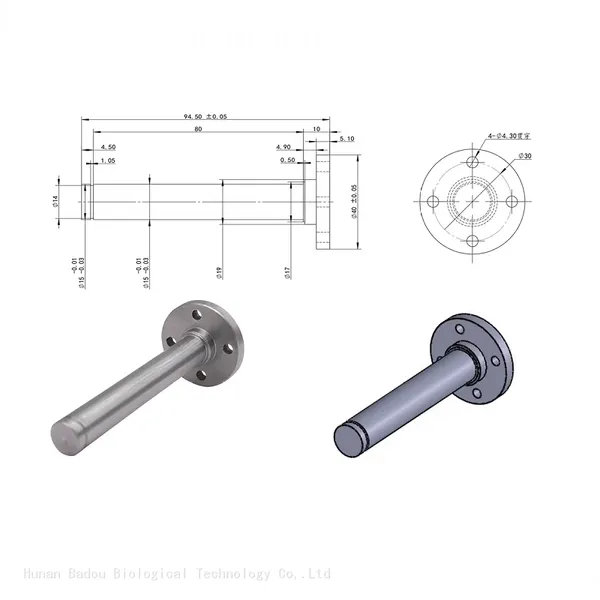
CNC Machining Flange Shaft High-Precision Custom by CAD/STEP Mechanical Transmission ShaftNegotiableMOQ: 100 Pieces
-
CNC Machining Flange Shaft High-Precision Custom by CAD/STEP Mechanical Transmission ShaftNegotiableMOQ: 100 Pieces
-
CNC Machining Shaft High-Precision Custom by CAD/STEP Mechanical Transmission ShaftNegotiableMOQ: 100 Pieces
-
CNC Machining Locating Shaft High-Precision Custom by CAD/STEP Mechanical Transmission ShaftNegotiableMOQ: 100 Pieces
-
CNC Machining 8 Inch DN200 Flange Custom by Drawing(CAD/STEP)NegotiableMOQ: 100 Pieces
-
CNC Machining 4 Inch DN100 Flange Custom by Drawing(CAD/STEP)NegotiableMOQ: 100 Pieces
-
CNC Machined 6 Inch DN150 Flange Custom by Drawing(CAD/STEP)NegotiableMOQ: 100 Pieces
-
CNC Machined 6 Inch DN150 Flange Custom by Drawing(CAD/STEP)NegotiableMOQ: 100 Pieces