 Business License

How Do Reducers Improve the Stability of Construction Machinery in Harsh Environments?
How Do Reducers Improve the Stability of Construction Machinery in Harsh Environments?
The acceleration of global infrastructure projects has made construction machinery such as excavators, loaders, and cranes core equipment. However, overseas engineering enterprises generally face the problems of easy equipment failure and high operation and maintenance costs under harsh working conditions. Engineering contractors from the Middle East and Africa have reported that in extreme environments such as deserts and plateaus, the transmission systems of construction machinery often fail due to dust intrusion, large temperature differences, and heavy load impacts—excavator travel reducers frequently get stuck, loader torque converters wear too fast, and crane slewing reducers lose precision, leading to project shutdowns with a daily loss of hundreds of thousands of US dollars. In addition, inconvenient transportation of spare parts in remote areas further prolongs the shutdown time.
As the "core of power transmission" for construction machinery, the reducer directly determines the equipment's load-bearing capacity, impact resistance, and environmental adaptability. To address the harsh working condition pain points of overseas customers, the special reducer for construction machinery adopts a high-strength alloy shell, which can effectively resist dust, sand erosion, and acid-base corrosion after sandblasting derusting and anti-corrosion spraying, adapting to complex environments such as deserts and plateaus. The application of hard tooth surface precision machining technology increases the gear hardness to above HRC60, which can withstand heavy load impacts and losses from frequent start and stop, reducing the reducer failure rate by more than 75% and significantly reducing equipment shutdown time.
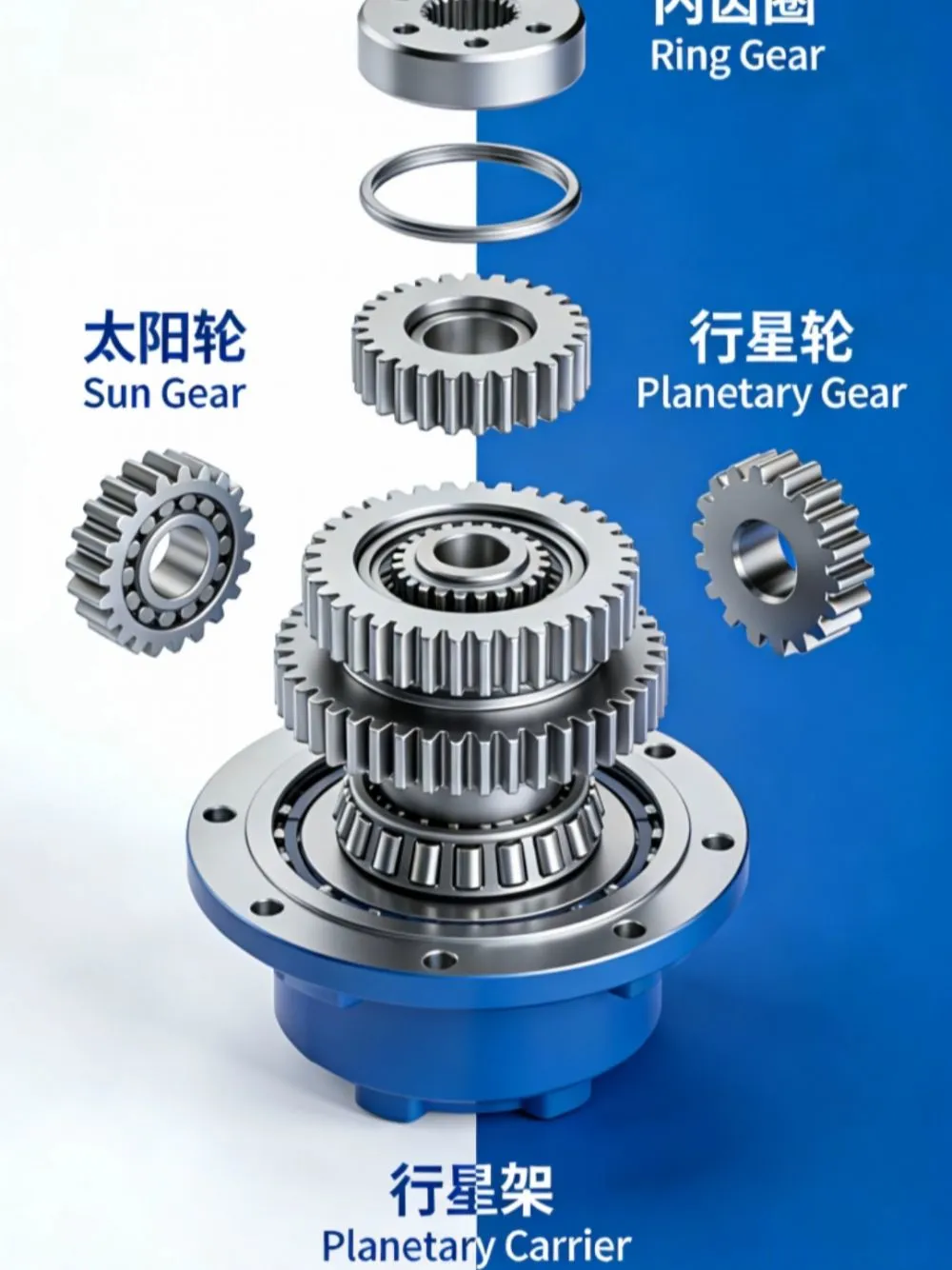
In specific applications, the excavator travel reducer adopts a planetary transmission structure, with a flexible adjustable transmission ratio, which can not only realize low-speed and heavy-load travel, but also ensure flexible steering, adapting to the operation needs of complex construction sites; the crane slewing reducer achieves precise positioning by optimizing the braking structure, avoiding heavy object shaking and improving construction safety; the special reducer for loaders focuses on energy saving, with a transmission efficiency increased to more than 94%, reducing fuel consumption and helping overseas engineering enterprises reduce operating costs.
If you are an overseas engineering contractor struggling with construction machinery transmission failures, inconvenient operation and maintenance, and high energy consumption, please leave a message in the comment area to share your project type, equipment model and specific needs. We will provide you with a customized reducer solution to help your project advance efficiently and reduce costs.
#Construction Machinery Reducer #Excavator Reducer #Heavy-duty Reducer #Harsh Environment Reducer #Overseas Infrastructure Equipment #2026 Construction Machinery Transmission Technology
Recently Posted
-
How to Fix Motor Burnout, Voltage Instability & Short Endurance in Agricultural Irrigation?
April 15, 2026How to Fix Motor Burnout, Voltage Instability & Short Endurance in Agricultural Irrigation?Agricultural irrigation (water pump Read More
 -
How to Fix Vibration, Startup Burnout & Misalignment with Gear Motors in Logistics?
April 15, 2026How to Fix Vibration, Startup Burnout & Misalignment with Gear Motors in Logistics?Smart warehouses, AGVs, sorting lines, and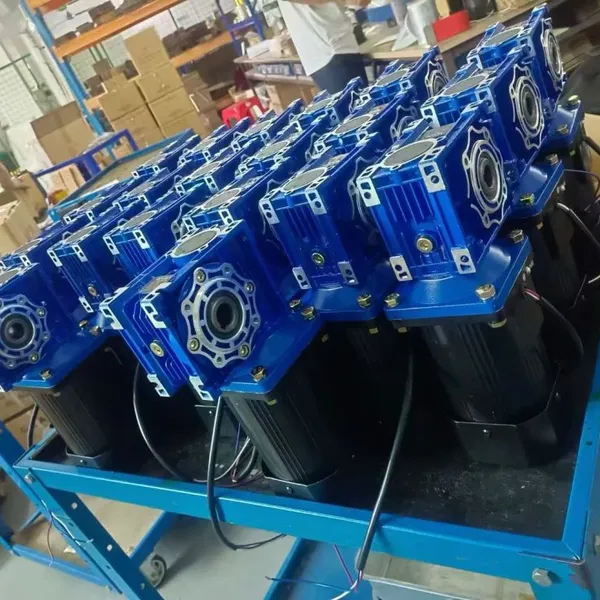 Read More
 -
Why Have You Been “Over-Procuring” All Along? Three Inertia Traps in Harmonic Gearbox Sizing
April 9, 2026Why Have You Been “Over-Procuring” All Along? Three Inertia Traps in Harmonic Gearbox Sizing“The last machine used this model. Let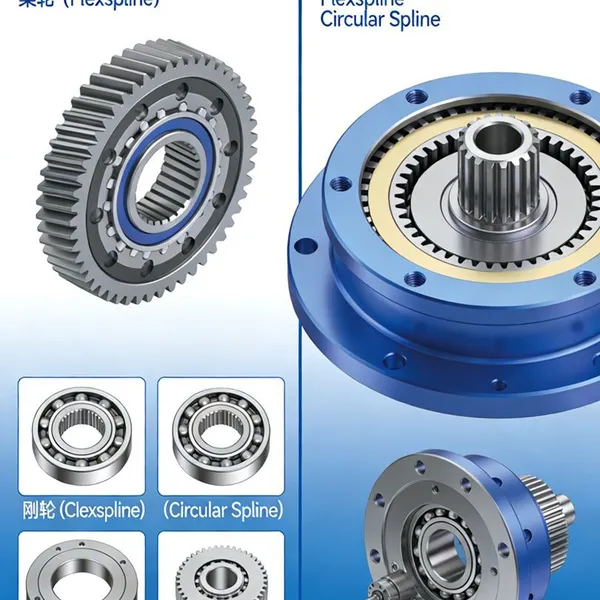 Read More
 -
How to Achieve Safety & Precision with Harmonic Reducers in Medical Surgical Robots?
April 9, 2026How to Achieve Safety & Precision with Harmonic Reducers in Medical Surgical Robots?Surgical robots (minimally invasive, ortho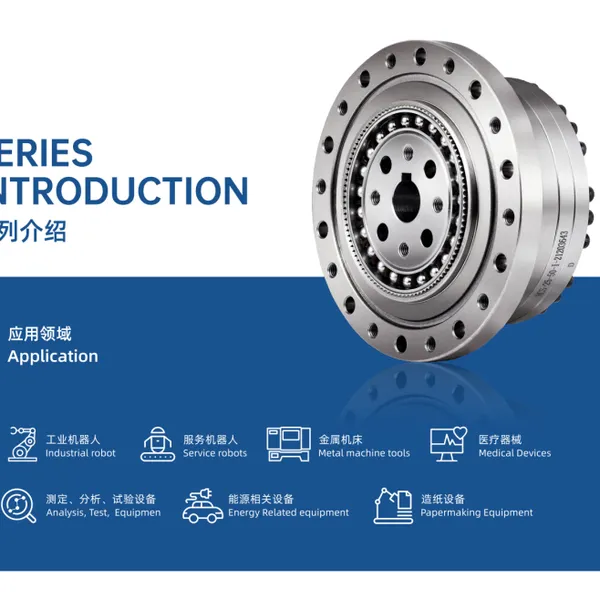 Read More

Contact Us
Recommended Products
-
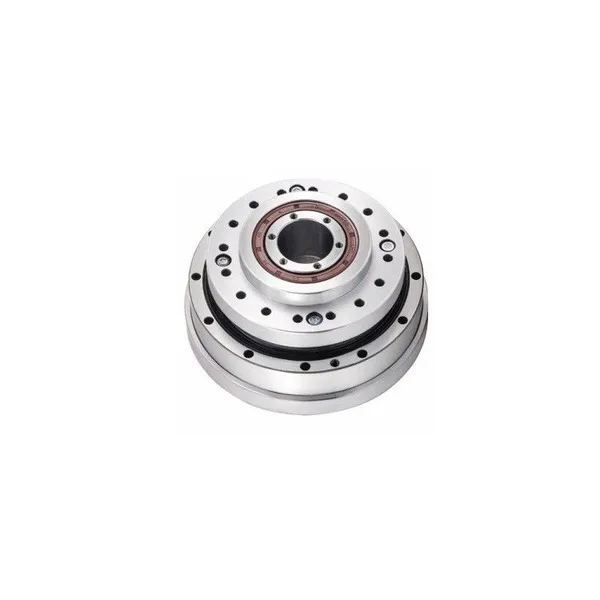
 UH KEONE Hollow Harmonic Reducer for Robot Joint 137-294N·m, Low Backlash ≤30arcminNegotiableMOQ: 200 Pieces
 -
UH KEONE Hollow Harmonic Reducer 137-294N·m, Ratio 50-120, Low Noise ≤60dB for AutomationNegotiableMOQ: 200 Pieces
-
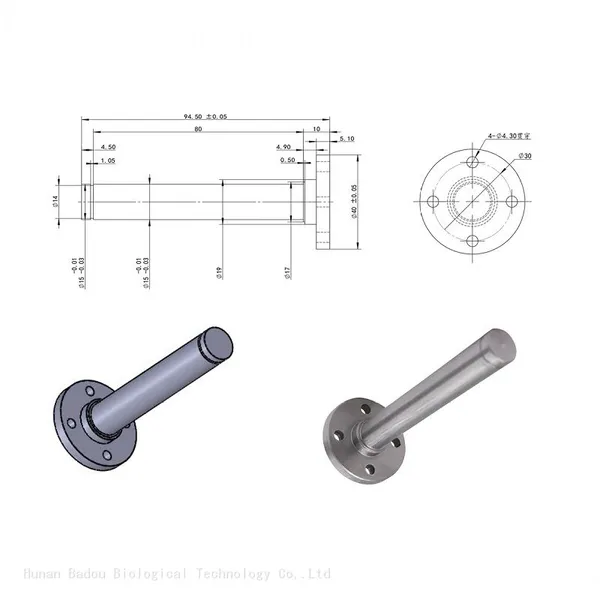
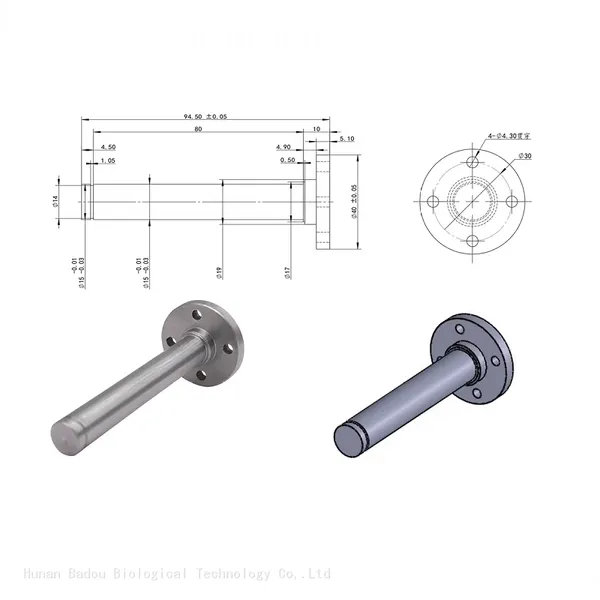
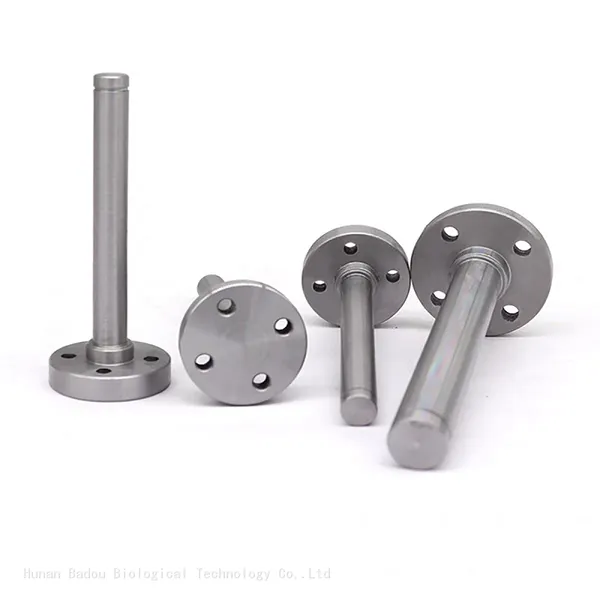
CNC Machining Flange Shaft High-Precision Custom by CAD/STEP Mechanical Transmission ShaftNegotiableMOQ: 100 Pieces
-
CNC Machining Flange Shaft High-Precision Custom by CAD/STEP Mechanical Transmission ShaftNegotiableMOQ: 100 Pieces
-
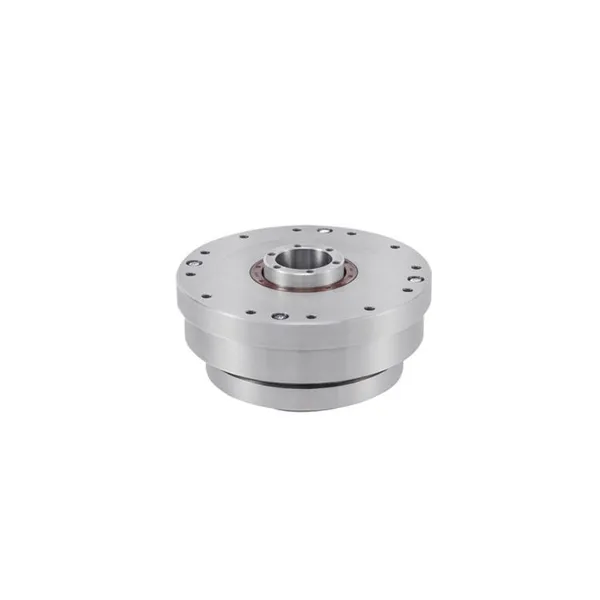
CNC Machining Shaft High-Precision Custom by CAD/STEP Mechanical Transmission ShaftNegotiableMOQ: 100 Pieces
-
CNC Machining Locating Shaft High-Precision Custom by CAD/STEP Mechanical Transmission ShaftNegotiableMOQ: 100 Pieces
-
CNC Machining 8 Inch DN200 Flange Custom by Drawing(CAD/STEP)NegotiableMOQ: 100 Pieces
-
CNC Machining 4 Inch DN100 Flange Custom by Drawing(CAD/STEP)NegotiableMOQ: 100 Pieces
-
CNC Machined 6 Inch DN150 Flange Custom by Drawing(CAD/STEP)NegotiableMOQ: 100 Pieces
-
CNC Machined 6 Inch DN150 Flange Custom by Drawing(CAD/STEP)NegotiableMOQ: 100 Pieces