 Business License

How to Solve the Precision and Noise Problems of Reducers in Industrial Robot Applications?
How to Solve the Precision and Noise Problems of Reducers in Industrial Robot Applications?
The popularization of industrial robots has brought efficient upgrading to the global manufacturing industry. However, many overseas robot end-users and manufacturers are troubled by reducer-related pain points. Automobile parts manufacturers from Germany and Japan have reported that the joint reducers of welding robots in their workshops experience precision attenuation after half a year of use, with welding point deviation exceeding 0.1mm, leading to a 12% drop in product qualification rate and a significant increase in rework costs; North American electronic factories reflected that when collaborative robots work with humans, the reducer operation noise exceeds 60 decibels, which not only affects workers' operating status, but also fails to meet the workshop noise environmental protection standards, facing the pressure of compliance rectification.
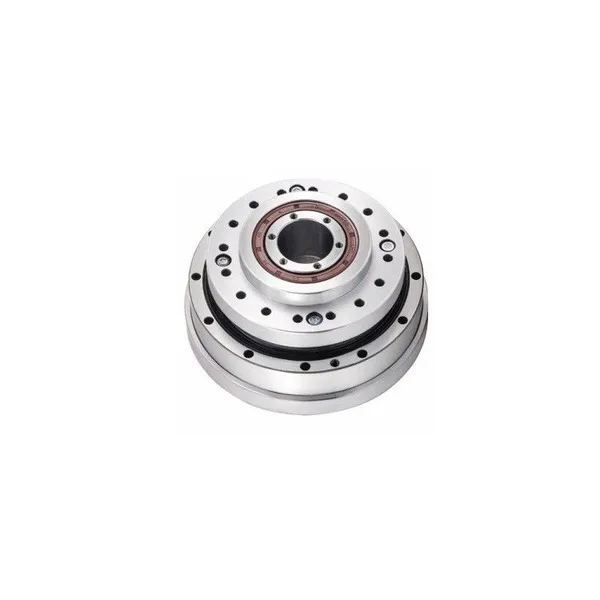
To meet the core needs of industrial robots, the special reducer perfectly solves the pain poins of overseas customers through precise design. Aiming at the precision requirements of welding robots, a harmonic transmission structure is adopted, with a backlash precision controlled within ≤0.3 arc minutes, ensuring that the repeat positioning error of ±0.02mm can still be maintained after long-term operation, effectively avoiding welding deviation, increasing the product qualification rate to more than 99%, and reducing rework loss. For the noise problem of collaborative robots, the gear meshing design is optimized, combined with silent lubricating grease, to control the operation noise below 45 decibels, which meets overseas environmental protection standards and improves workers' operating comfort.
In addition, the special reducer for industrial robots focuses on durability and adaptability. The hard tooth surface carburizing and quenching process is adopted, which increases the gear wear resistance by 60% and extends the service life to more than 5 years, reducing the frequency of equipment replacement; the lightweight design can be adapted to different models of collaborative robots and welding robots, easy to install, without major modification of the equipment structure. Whether it is high-load welding operations or light-load collaborative assembly, it can provide stable and precise transmission support, helping overseas manufacturers improve production efficiency.
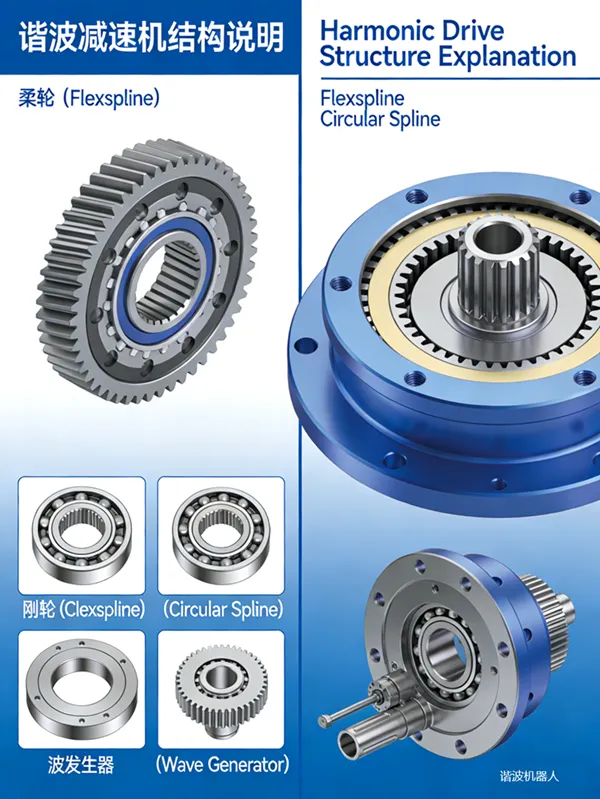
If you are an overseas industrial robot user or manufacturer struggling with precision attenuation, excessive noise, short service life and other problems, please leave a message in the comment area to share your robot model and operation scenario. We will provide you with a customized reducer solution to help your production process be more efficient and compliant.
#Industrial Robot Reducer #Collaborative Robot Reducer #Welding Robot Transmission #Robot Precision Solution #Overseas Manufacturing Equipment #2026 Industrial Robot Technology
Recently Posted
-
How to Fix Motor Burnout, Voltage Instability & Short Endurance in Agricultural Irrigation?
April 15, 2026How to Fix Motor Burnout, Voltage Instability & Short Endurance in Agricultural Irrigation?Agricultural irrigation (water pump Read More
 -
How to Fix Vibration, Startup Burnout & Misalignment with Gear Motors in Logistics?
April 15, 2026How to Fix Vibration, Startup Burnout & Misalignment with Gear Motors in Logistics?Smart warehouses, AGVs, sorting lines, and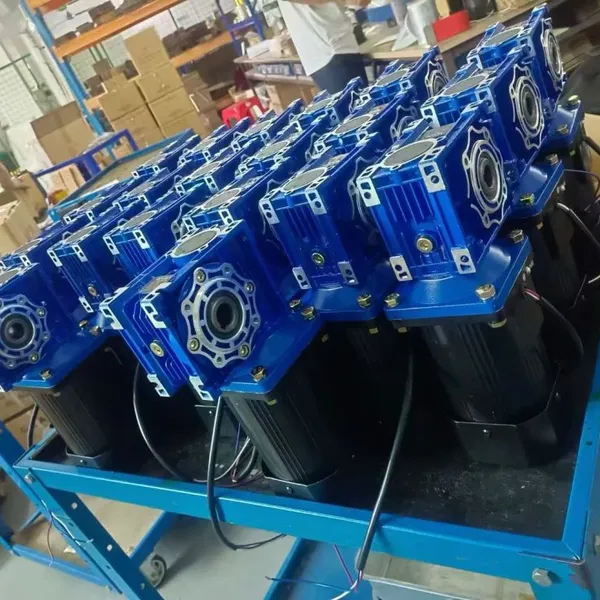 Read More
 -
Why Have You Been “Over-Procuring” All Along? Three Inertia Traps in Harmonic Gearbox Sizing
April 9, 2026Why Have You Been “Over-Procuring” All Along? Three Inertia Traps in Harmonic Gearbox Sizing“The last machine used this model. Let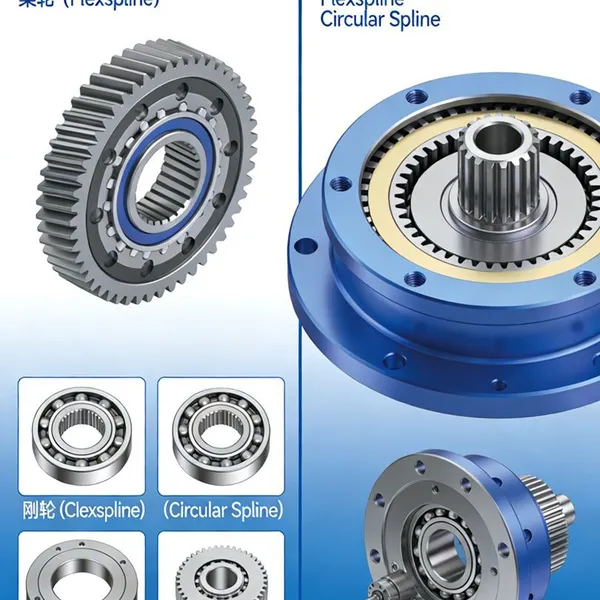 Read More
 -
How to Achieve Safety & Precision with Harmonic Reducers in Medical Surgical Robots?
April 9, 2026How to Achieve Safety & Precision with Harmonic Reducers in Medical Surgical Robots?Surgical robots (minimally invasive, ortho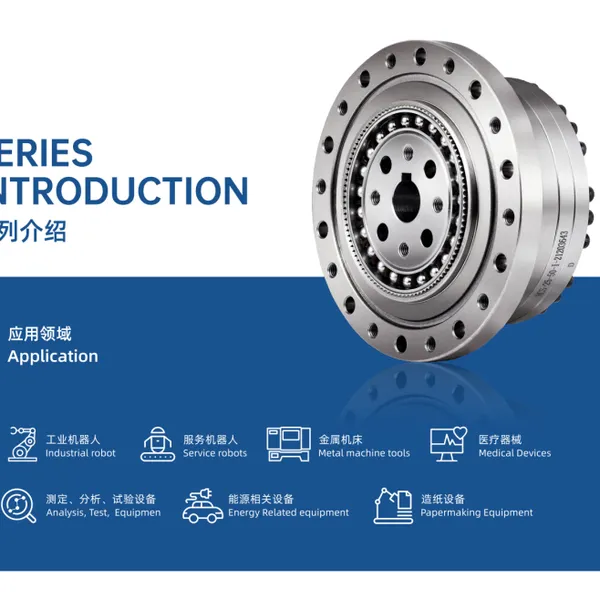 Read More

Contact Us
Recommended Products
-
 UH KEONE Hollow Harmonic Reducer for Robot Joint 137-294N·m, Low Backlash ≤30arcminNegotiableMOQ: 200 Pieces
 -
UH KEONE Hollow Harmonic Reducer 137-294N·m, Ratio 50-120, Low Noise ≤60dB for AutomationNegotiableMOQ: 200 Pieces
-
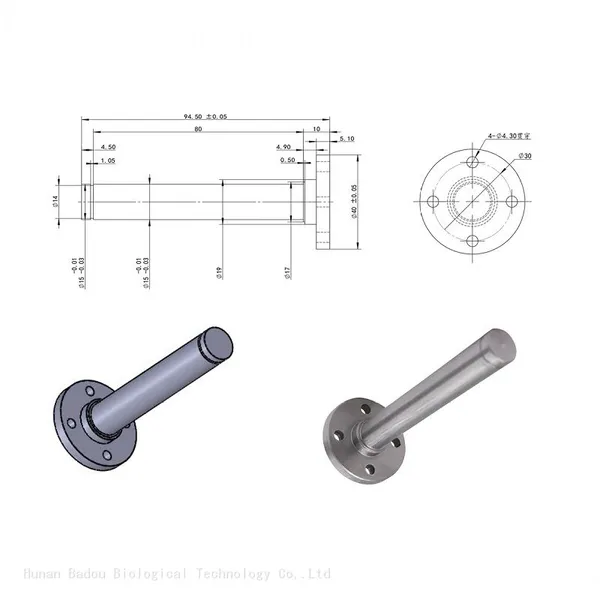
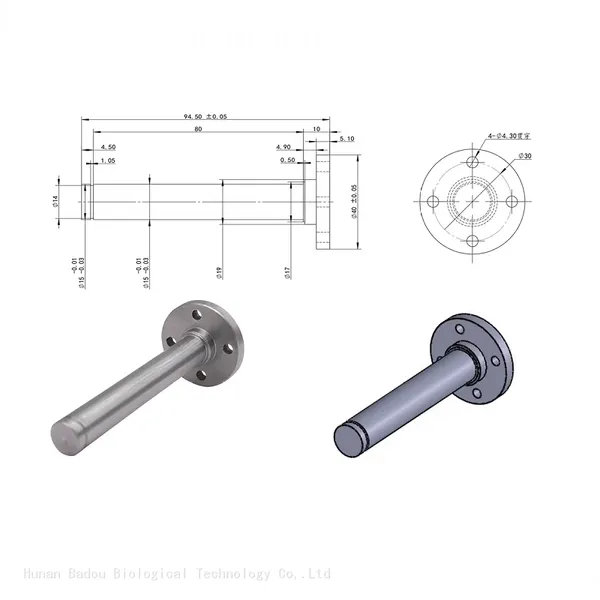
CNC Machining Flange Shaft High-Precision Custom by CAD/STEP Mechanical Transmission ShaftNegotiableMOQ: 100 Pieces
-
CNC Machining Flange Shaft High-Precision Custom by CAD/STEP Mechanical Transmission ShaftNegotiableMOQ: 100 Pieces
-
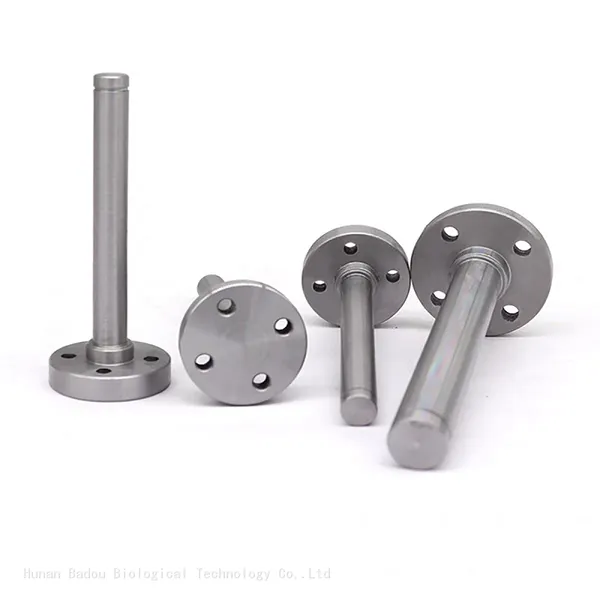
CNC Machining Shaft High-Precision Custom by CAD/STEP Mechanical Transmission ShaftNegotiableMOQ: 100 Pieces
-
CNC Machining Locating Shaft High-Precision Custom by CAD/STEP Mechanical Transmission ShaftNegotiableMOQ: 100 Pieces
-
CNC Machining 8 Inch DN200 Flange Custom by Drawing(CAD/STEP)NegotiableMOQ: 100 Pieces
-
CNC Machining 4 Inch DN100 Flange Custom by Drawing(CAD/STEP)NegotiableMOQ: 100 Pieces
-
CNC Machined 6 Inch DN150 Flange Custom by Drawing(CAD/STEP)NegotiableMOQ: 100 Pieces
-
CNC Machined 6 Inch DN150 Flange Custom by Drawing(CAD/STEP)NegotiableMOQ: 100 Pieces